
REVIEW · NORWAY
Geiranger: Kayak tour with guide
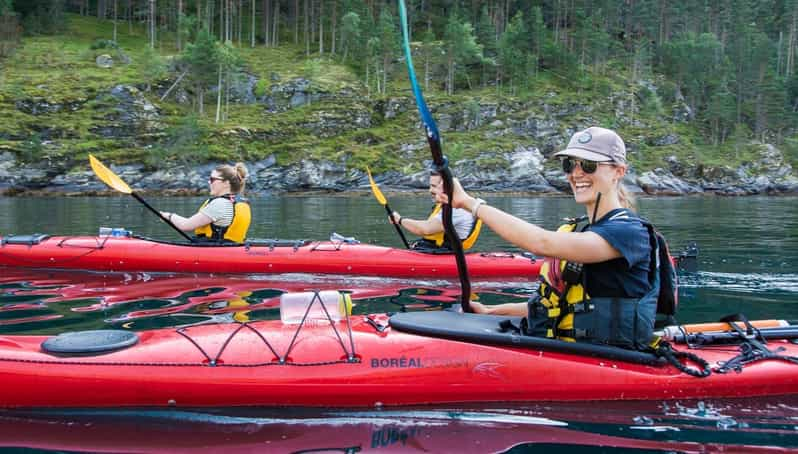
Geirangerfjord looks grand from a ship, road, or lookout, but a kayak gives you the fjord at water level. You paddle beneath steep cliffs, watch waterfalls drop from above, and move toward the Seven Sisters with only the sound of the water and your group around you. I especially like the sheltered start at Homlong and the fact that you do not need previous kayaking experience.
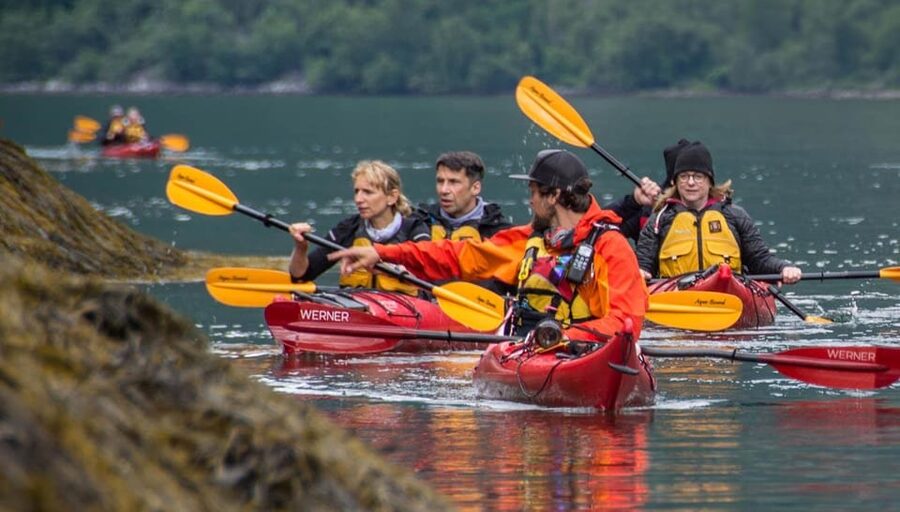
The small groups, limited to 10 people, are another real plus. Guides such as Martina and Ponton have been praised for clear instruction, good stories, and careful attention to anyone who needs help keeping pace. The main drawback is that sea kayaking demands some flexibility and stamina, and cold, changing weather can lead to a modified route.
Key points to know before you paddle
- The shortest route to the Seven Sisters: The centre at Homlong sits on the sunny, sheltered side of Geiranger harbour, close to the waterfall viewpoint by kayak.
- Beginner-friendly equipment: Stable kayaks, a life vest, spray skirt, paddle, and a basic safety lesson are included.
- A genuinely small group: No more than 10 participants are allowed, with an experienced guide leading the way.
- Two tour lengths: The shorter trip takes about 2.5 hours and accepts children from age 10. The longer 4-hour option has a minimum age of 13.
- Plan for wet weather: Bring spare clothes, water, and snacks. Leave jeans at home because they become heavy and cold when wet.
- Check the physical limits: You must be no more than 100 kilograms or 200 centimetres tall, with hips no wider than 40 centimetres.
Why Geirangerfjord feels different from a kayak
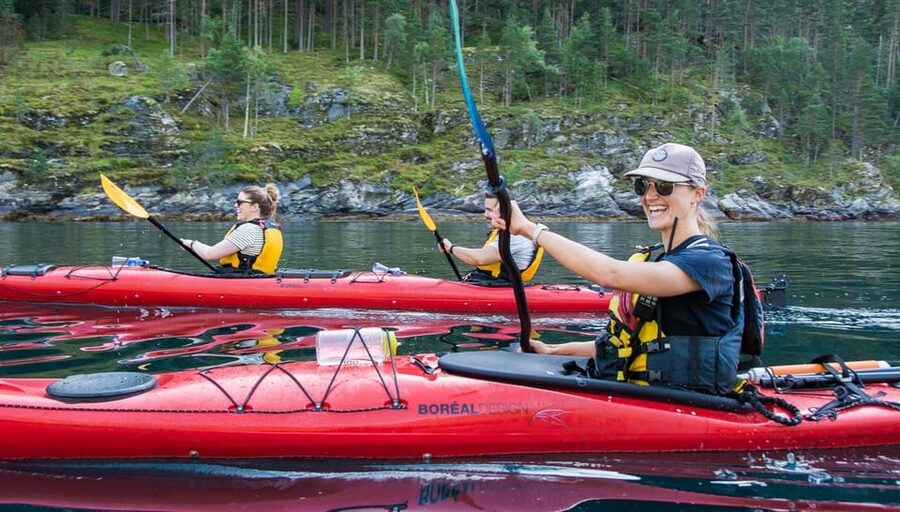
Geirangerfjord is famous for its steep walls and falling water, but the usual viewpoints place you above the scene. From a kayak, you see the fjord from a much lower angle. The cliffs rise directly from the water, and waterfalls appear to stretch much farther overhead than they do from a road or boat deck.
That lower viewpoint changes the scale of the place. A cruise ship can carry you through the fjord with almost no effort, but a kayak lets you move at your own paddling rhythm. You notice the water surface, the rock walls, and the small changes in the weather. You also get a closer look at the meeting point between the quiet inlet and the wide fjord.
I like this for a simple reason: it feels active without turning the whole morning into a test of athletic ability. The kayaks are described as stable and easy to turn, so you can focus on the view instead of fighting the boat. You still need energy and a willingness to paddle, but you do not need a special skill set.
More Fjord Kayaking in Norway:
- Stavanger: Guided Kayaking in Lysefjord
★ 4.9 · 200 reviews - Geiranger: Guided Kayak Tour in Geiranger Fjord
★ 4.7 · 192 reviews - Olden: Experience Beginner-friendly Fjord Kayaking
★ 4.9 · 76 reviews
Starting at the Geiranger Kayak Centre in Homlong
The meeting point is the Geiranger Kayak Centre at the end of Homlung Road. Look for the red kayaks. The centre is only a few minutes from Geiranger town and has free parking, which helps if you are driving through the area.
The location matters. Homlong is on the sheltered side of the harbour, and the centre claims the shortest paddling distance to the Seven Sisters waterfall. That gives you more time on the fjord and less time covering an exposed stretch of open water before reaching the main scenery.
Your guide begins with a safety briefing and basic paddling instruction. You learn how to hold the paddle, move the kayak, and turn it. The guide also explains the risks of sea kayaking in this particular fjord, including cold water, changing weather, remote sections, and the limited number of places where you can land.
This talk is not filler. It tells you what the guide expects from the group and what you should do if conditions change. The staff’s calm approach has been a repeated strength, and Martina in particular has been singled out as friendly, clear, and careful with safety. Another guide, Ponton, has also been praised for combining instruction with useful information about the fjord and its surroundings.
Paddling beneath the cliffs
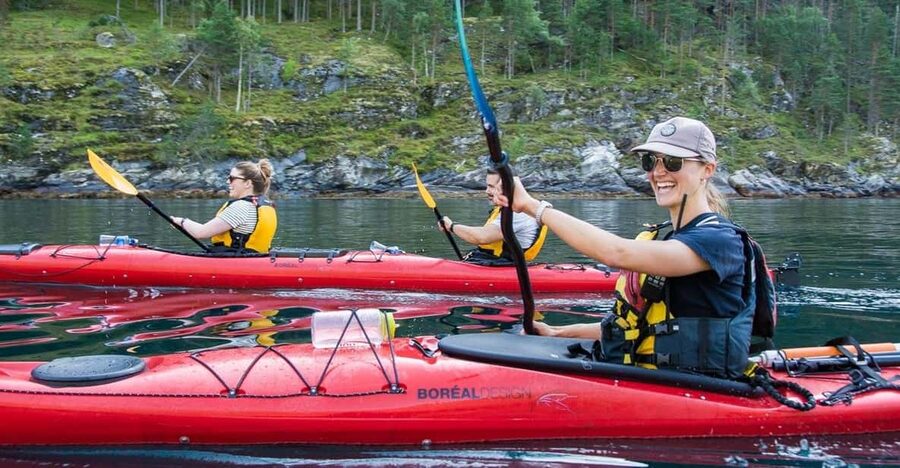
Once everyone is in the kayaks, the group follows a circuit along the fjord. The exact route can change with wind, rain, water conditions, or safety concerns, but the plan takes you past sheer cliffs and toward views of the Seven Sisters waterfall.
You are not simply pointed in the right direction and left alone. The guide leads the group, watches the pace, and makes sure nobody is left behind. That is especially useful if your paddling is rusty or if one member of your party is much less confident than the others.
The first few minutes are likely to be about finding a comfortable rhythm. This is where the stable boats help. You can concentrate on keeping your strokes smooth rather than worrying about every small movement. Good humor also helps, since even an easy kayak tour takes coordination when several people are paddling together.
The guide adds local facts and stories as you go. The information is part of what makes this better than simply renting a kayak and heading out by yourself. You get scenery, but you also get context about Geiranger and the fjord around you.
The water may look calm, but the safety warnings deserve respect. Conditions can shift, and cold water is a serious concern if you capsize. The guides use safety and emergency equipment, and they can alter the route when conditions call for it. That may mean you do not reach every planned viewpoint, but it is the right tradeoff for a responsible outdoor activity.
Reaching the Seven Sisters view from sea level
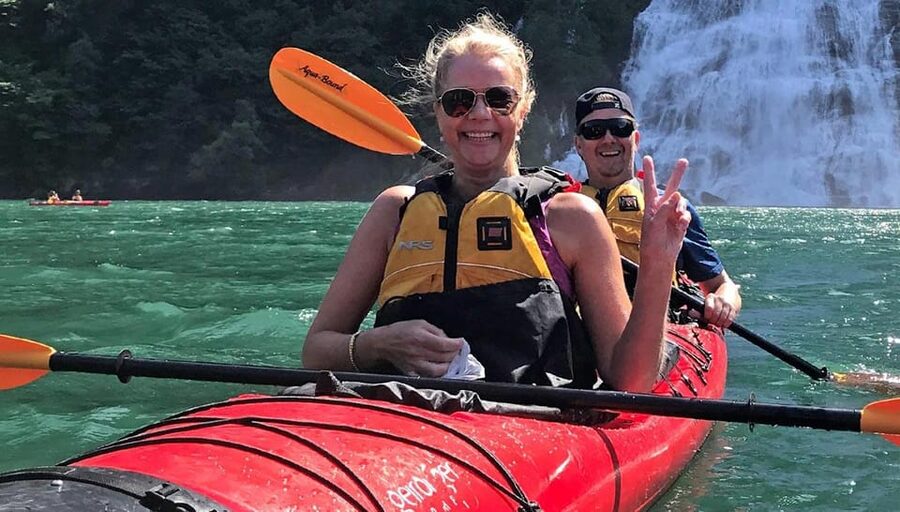
The Seven Sisters waterfall is the main visual goal of the paddle. From the water, you approach the view from below instead of seeing the falls from a road or a passing ship. The cliffs frame the route, and the waterfall becomes part of a much larger wall of rock and water.
Do not expect the kayak to carry you directly under the falls. The information provided describes a circuit toward the Seven Sisters view, not a fixed promise that every tour reaches one exact point. Weather and water conditions can change the route.
That flexibility is worth keeping in mind when you book. The attraction is not only the final waterfall view. The whole route offers a close look at Geirangerfjord, and the journey along the cliffs remains worthwhile even if the guide has to shorten or adjust it.
Bring a camera if you can manage it safely. The scenery is the sort you will want to remember, but keep your equipment protected from spray and rain. You will also want both hands free for paddling, so a camera that can be secured is more practical than one you need to hold constantly.
More Paddling Trips in Norway:
- Oslo Sea Kayak Tour “Fjord City”
★ 4.7 · 69 reviews - Hellesylt: Beginner-Friendly Fjord Kayaking Experience
★ 4.9 · 63 reviews - Stavanger: Preikestolen Hidden Trail Hike + Canoe + Lunch
★ 4.9 · 46 reviews - Kayak Tour with Waterfall Views in Geiranger
★ 4.5 · 45 reviews
Choosing between 2.5 and 4 hours
The shorter tour lasts about 2.5 hours and has a minimum age of 10. It is the sensible choice if you want a taste of sea kayaking without giving up most of your day. Families and first-time paddlers may prefer this option, especially if they are uncertain how their arms, back, or balance will feel after the first hour.
The longer tour lasts about 4 hours and has a minimum age of 13. That extra time can make the experience feel less rushed, but it also means more sustained paddling and a longer period sitting in the kayak. You should choose it because you want more time on the water, not simply because the longer option sounds like a better deal.
The precise start times depend on availability. Allow room around the activity rather than scheduling a tight connection immediately afterward. Weather can affect the pace, and the stated duration ranges from 2.5 to 4 hours.
What to wear and pack
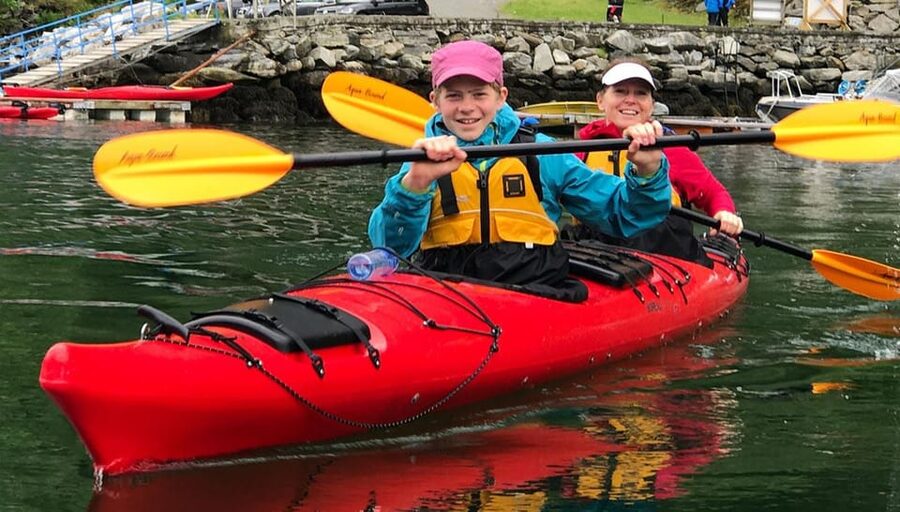
Wear comfortable clothing that can handle spray and rain. Pack a complete change of clothes, water, and snacks. Spare clothes are not an unnecessary precaution here. Even on a pleasant day, your paddle, spray, and the weather can leave you damp.
Do not wear jeans. Wet denim becomes heavy, cold, and unpleasant in a kayak. This is one of those small practical tips that can make the difference between remembering the fjord fondly and spending the second half of the trip wishing you had packed better.
The centre provides the main kayak equipment: a life vest, spray skirt, and paddle. Safety and emergency equipment are also supplied, along with instruction. You do not need to arrive with your own kayak gear.
Drones and alcohol are not allowed. The rule about alcohol is especially sensible for a water activity in a cold, remote setting. Leave both at your accommodation or in your vehicle.
Is it comfortable for every body type?
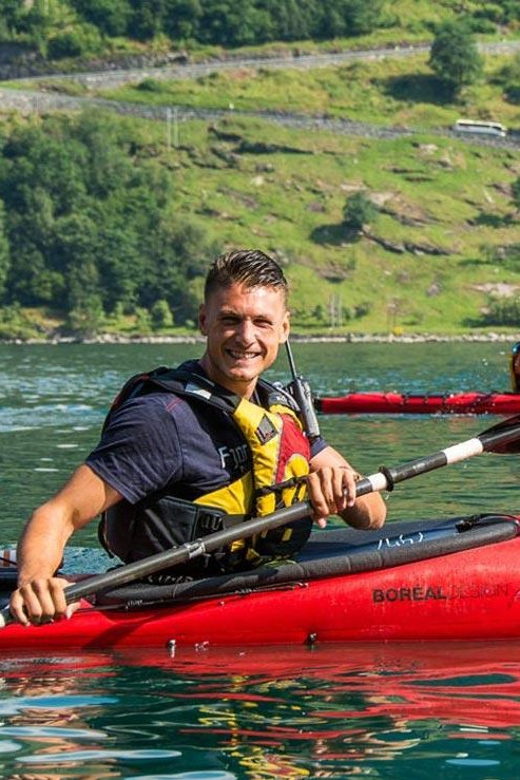
This is not an all-purpose activity, and you should check the physical requirements before paying. Each person must be no more than 100 kilograms, with hips no wider than 40 centimetres and a height of no more than 200 centimetres.
You also need enough flexibility to sit upright on the floor with your legs straight out in front of you. If that position is uncomfortable, the kayak may not be comfortable either. The seating position lasts for much of the tour, so this is more important than simply being able to get in and out of the boat.
The activity is not recommended for anyone over 200 centimetres or 100 kilograms. Children must be at least 10 for the 2.5-hour tour and 13 for the 4-hour tour. These limits are firm practical considerations, not minor booking details.
How the guides shape the experience
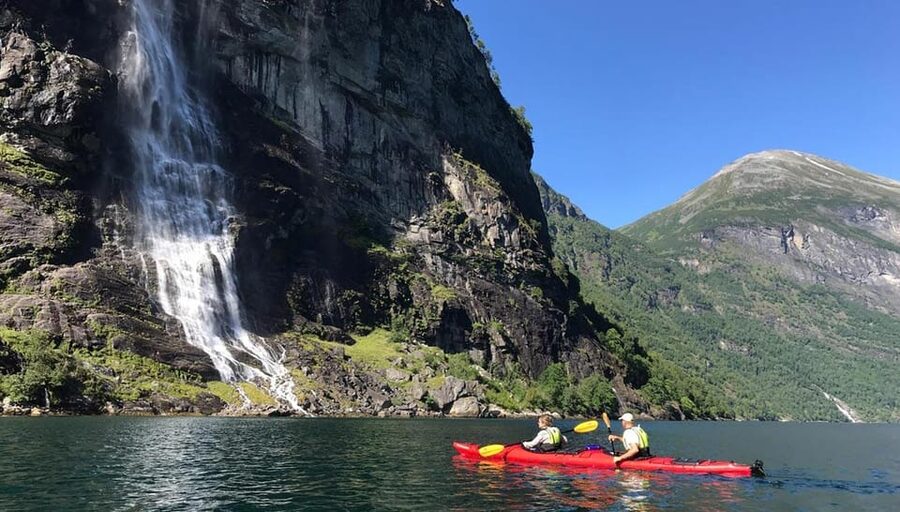
The guides are the main reason this feels suitable for beginners rather than just being a rental with a short briefing. They teach paddling technique, explain the risks, lead the route, and monitor the group.
The best guide style here seems to be friendly but alert. Martina has been praised for being both approachable and serious about safety. Ponton has been noted for giving useful information about the fjord while keeping the trip enjoyable. Those qualities matter more than a flashy performance. You want a guide who notices if you are struggling, not one who talks constantly while ignoring the group.
The small-group limit helps. A guide handling no more than 10 participants can give clearer instructions and keep a better eye on the paddlers. It also makes it easier for the group to stay together, which is important when conditions are changing.
One useful detail is that the staff may be flexible with timing when possible. An earlier start has sometimes been arranged without trouble. Do not assume every schedule can change, but it is reasonable to ask if your plans require a little adjustment.
What the $136 price buys you
At $136 per person, this is not a cheap way to spend two or four hours. The value depends on what you want from Geirangerfjord. If your priority is simply seeing the waterfalls, a viewpoint or boat trip may cost less effort and possibly less money.
The kayak price includes the guide, safety and emergency equipment, paddling instruction, life vest, spray skirt, paddle, and a small group. You are paying for supervision in a remote, cold-water setting, not just for the use of a boat.
For a first-time paddler, that support has real value. You do not need to buy or transport specialist gear, learn the route yourself, or decide how to respond if the weather changes. You also get a closer and more active view of the fjord than a standard sightseeing stop provides.
The price makes the most sense if you value the experience of being on the water. If you are only chasing a photograph of the Seven Sisters, this may feel like too much. If you want to spend a meaningful part of the day moving through the fjord under your own power, the cost is easier to justify.
Who should book this kayak tour?
I would recommend it to adults, families with older children, and first-time kayakers who are comfortable with a few hours of paddling. It suits people who want scenery with some activity, rather than sitting passively on a boat.
It is also a good choice if you have limited time in Geiranger but want more than a quick viewpoint visit. The centre is close to town, has free parking, and starts from a sheltered location.
You should think twice if you dislike cold water, cannot sit comfortably with your legs extended, or want a guaranteed route in every kind of weather. You should also avoid it if you are looking for a completely dry outing. Even with good equipment, a kayak tour in a Norwegian fjord is a wet-weather activity at heart.
Should you book the Geiranger kayak tour?
Book it if you want to experience Geirangerfjord from sea level, appreciate a careful guide, and are happy to trade some comfort for a close view of the cliffs and Seven Sisters waterfall. The stable kayaks, small groups, clear safety briefing, and beginner-friendly instruction make it a sensible introduction to sea kayaking.
Choose the 2.5-hour option for a manageable first attempt or a busy sightseeing day. Pick the 4-hour trip only if you want more time on the water and are ready for the extra physical demand.
Pack dry clothes, skip the jeans, check the body-size and flexibility limits, and leave room in your schedule for changing conditions. With those points handled, this is one of the more personal ways to see Geirangerfjord, and the guide-led format gives you a safer start than heading out alone.
FAQ
Where does the Geiranger kayak tour meet?
The meeting point is the Geiranger Kayak Centre at the end of Homlung Road in Homlong. You will see the centre’s red kayaks. Free parking is available.
How long does the kayaking tour last?
The available tour lengths are about 2.5 hours and 4 hours. Starting times depend on availability.
Do I need previous kayaking experience?
No. Previous paddling experience is not required. The guide provides instruction in paddling technique and safety before the tour.
What is the minimum age?
The minimum age is 10 for the 2.5-hour tour and 13 for the 4-hour tour.
What equipment is included?
The tour includes a high-quality kayak, paddle, life vest, spray skirt, safety equipment, emergency equipment, and instruction from an experienced guide.
What should I bring?
Bring a change of clothes, snacks, water, and comfortable clothing. Do not wear jeans because they become heavy and cold when wet.
Can everyone fit in the kayaks?
There are stated limits for safety and comfort. You must be no more than 100 kilograms or 200 centimetres tall, with hips no wider than 40 centimetres. You should also be able to sit upright on the floor with your legs straight in front of you.
Just added around Norway
- Winter Tour Viking Village, Nærøyfjord Cruise & Flåm Railway★ 4.6 · 26 reviews
- Tromsø: Summer Fjord Road Trip with Citizen Science★ 4.8 · 29 reviews
- Tromso: Visit 5 Fjords in 4 hours★ 4.2 · 23 reviews
- Tromsø: Fjords & Sommarøy Tour with Warm Local Lunch Option★ 5.0 · 7 reviews
- Tromsø: Fjords, Kvaløya & Sommarøy Accessible Tour w/ Lunch★ 4.9 · 27 reviews
- Tromsø: Fjord tour in a minibus to Sommarøy with fishsoup★ 5.0 · 8 reviews
- Tromsø: Fjords, Mountains and City Highlights Day Tour★ 4.4 · 11 reviews
- Tromsø: Fjord Sightseeing in a Tesla X Luxury Electric Car★ 4.3 · 19 reviews
Norway Fjord Tours, compared.
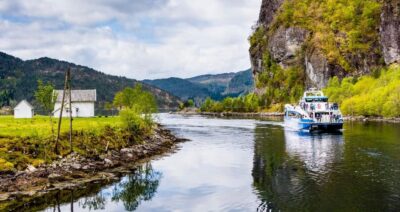
From Bergen: The Original Fjord Cruise to Mostraumen
Read our review →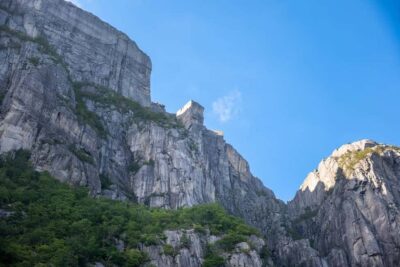
Stavanger: Electric Fjord Cruise to Lysefjord & Preikestolen
Read our review →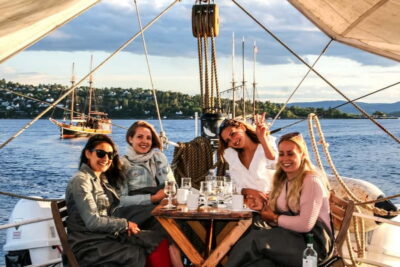
Oslo: Oslo Fjord Sightseeing Cruise by Sailing Ship
Read our review →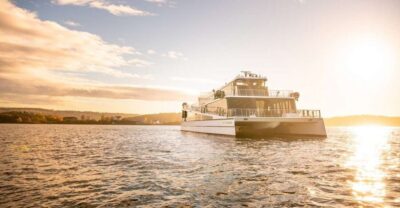
Oslo: Scenic Fjord Cruise with Audio Guide Commentary
Read our review →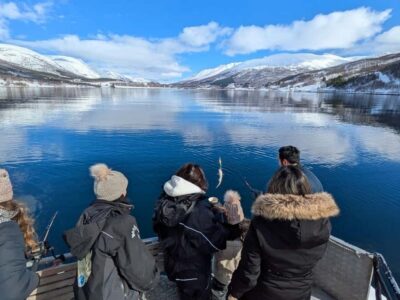
Tromsø: Arctic Fjord Cruise & Fishing Experience
Read our review →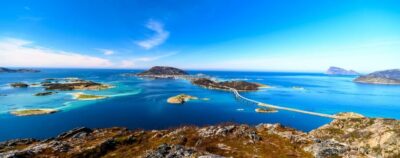
Tromsø: Fjords and Sommarøy Islands Tour with Salmon Picnic
Read our review →
Bergen: Mostraumen Fjord Cruise – with Local Tour Guides
Read our review →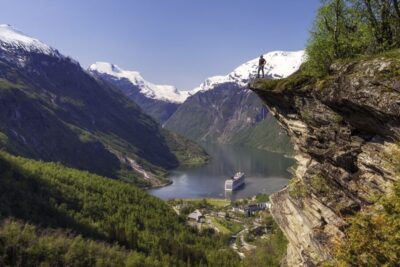
Geiranger: Dalsnibba, Flydalsjuvet, Eagle Bend & Fjords Tour
Read our review →Browse the lists this tour appears in