
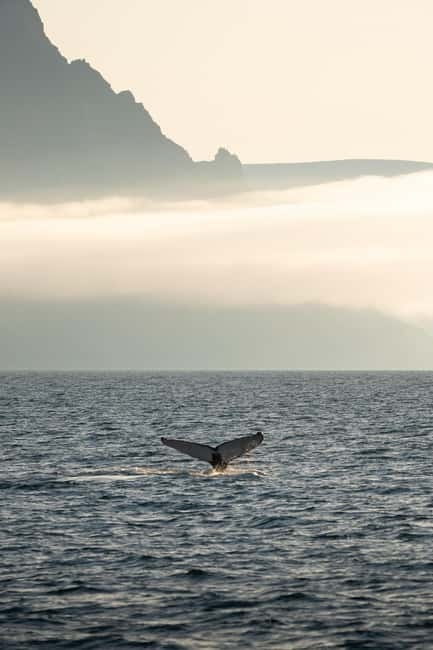
REVIEW · ISAFJORDUR
Ísafjörður: Westfjords Whale Watching Boat Tour
The main event here is the humpback whale watching. Boats head out from Ísafjörður into the fjord, where resident whales are often found feeding. Sightings are never guaranteed, but the 2023 record was excellent, with humpbacks seen on every tour that year.
I like two things right away: Tom’s lively marine knowledge and the setting itself. He can explain how to identify individual whales, while the steep Westfjords give you something beautiful to watch between sightings. The main catch is the cold. Even on a sunny July day, the wind on the water can bite, and one passenger felt seasick when the boat paused.
- Humpback whales are the main attraction, with several groups sometimes feeding near the boat.
- Guide Tom brings marine biology and real enthusiasm, explaining whale behavior, names, and life stories.
- The Westfjords provide a grand backdrop, with steep mountains and bright water around Ísafjörður.
- Wildlife can include minke whales, dolphins, orcas, and puffins, though these sightings are less certain.
- The boat has toilets and indoor space, useful when rain and wind arrive.
- The $115 price is fair if you value a full three hours, strong sightings, and thoughtful wildlife handling.
Why the Ísafjörður whale tour is special
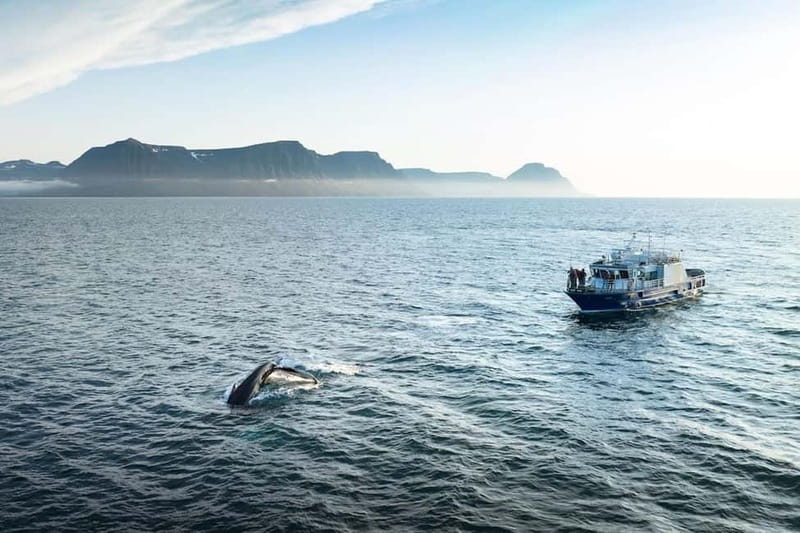
Whale watching in Iceland is not just about waiting for a tail to appear. The setting matters, and this outing has a memorable one. Ísafjörður sits in the Westfjords, a remote corner of Iceland shaped by broad fjords and steep, rugged mountains. Once the boat leaves the harbor, the town quickly becomes a small strip of buildings behind you.
The fjord gives you a good opening act. You can watch seabirds wheel overhead, look for movement on the water, and enjoy wide views of the coastline before the first whale appears. On a clear day, the water may look calm and bright. On a wet day, the same trip becomes a proper Arctic-weather outing, with rain, wind, and low cloud adding drama.
I like that the trip is not sold as a guaranteed circus show. You are looking for wild animals, not trained performers. Humpbacks may surface, breathe, feed, swim near the boat, or simply disappear for a while. One of the most useful lessons from this outing is learning to appreciate ordinary whale behavior: a blow, a curved back, a fluke rising before the animal slips below the surface.
Leaving Ísafjörður and entering the fjord
The tour lasts about three hours, although timing can vary. One passenger found the outing slightly shorter than expected, and another described a two-hour trip. If you are visiting from a cruise ship, allow enough time for check-in and the return to port, but the company has also worked with cruise schedules and returned passengers on time.
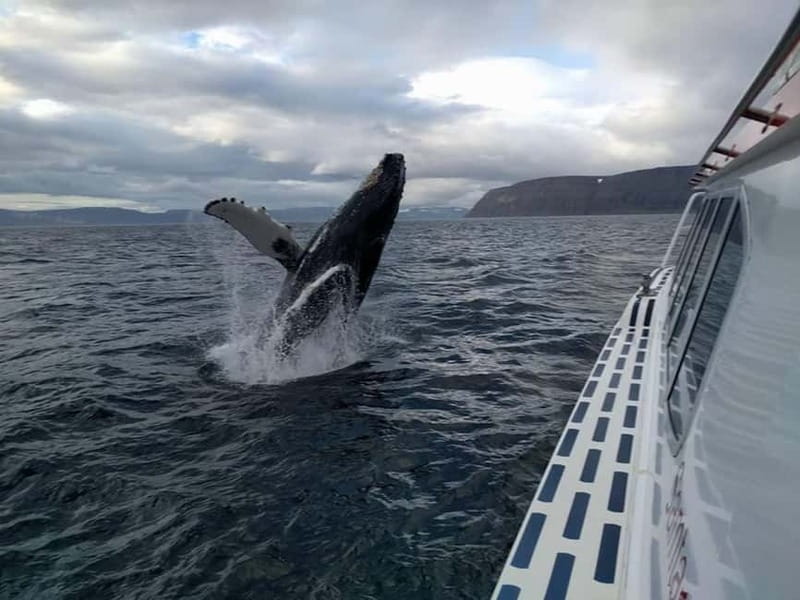
The boat is described as sturdy and comfortable, with onboard toilets and an indoor area. That matters in the Westfjords. A boat can feel pleasant in the harbor and quite different once it reaches open water. You can step outside for the clearest views, then retreat indoors when the rain starts or your hands need warming.
The first part of the ride is scenic rather than wildlife-focused. Keep your camera ready, but do not spend the whole time staring through a viewfinder. The mountains and fjord are part of the experience, and the changing weather can be as photogenic as the whales.
You should wear proper warm clothing, comfortable shoes, and weatherproof layers. Bring a camera, ideally one you can protect from spray. A waterproof camera is specifically recommended. Even in summer, a bright day can feel cold once you are standing still on deck.
More Fjord Wildlife Cruises in Isafjordur:
- Geiranger: Dalsnibba, Flydalsjuvet, Eagle Bend & Fjords Tour
★ 4.6 · 2,329 reviews - Kenai Fjords National Park Glacier & Wildlife Cruise
★ 5.0 · 1,756 reviews - Kenai Fjords and Resurrection Bay Half-Day Wildlife Cruise
★ 5.0 · 1,156 reviews
Meeting guide Tom and learning to read a whale
The strongest human element is guide Tom, who has been described as a marine biologist from the United Kingdom living and studying in Iceland. His job is not simply to point and shout whale. He explains how the animals live, how they feed, and how you can tell one humpback from another.
That last point adds real value. Several whales seen around Ísafjörður are familiar individuals, and Tom has identified some by name. He can point out distinguishing marks and explain parts of their past. Instead of seeing a series of identical dark shapes, you begin to understand that each whale has its own pattern and behavior.
Tom also makes an effort to speak with everyone on board, including people at the back of the boat. That is important on a small wildlife trip, where the best sighting may happen on the opposite side from where you are standing. His enthusiasm comes through strongly, but the useful kind of enthusiasm: he remains focused on the animals and on helping people understand what they are seeing.
The captain has an equally important role. A good whale-watching skipper must balance a close view with enough distance to avoid crowding the animals. Passengers repeatedly noted that the captain handled rougher water safely and treated the whales with care.
What the humpback sightings are really like
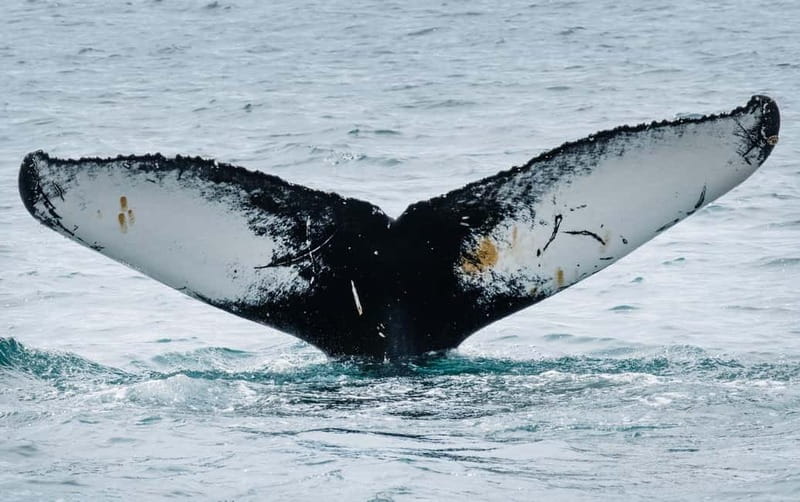
Humpback whales are the main reason to book this tour. The number seen can vary, but the recorded outings include everything from two whales in worsening weather to groups of four, five, six, seven, ten, and even around 30. One particularly strong trip included two whales breaching.
Still, you should set sensible expectations. Humpbacks do not leap on command, and most of your sightings may involve blows, backs, rolling bodies, or tail flukes. One passenger specifically appreciated learning that humpbacks generally do not launch themselves fully out of the water. That is a useful correction to the dramatic pictures often used to sell whale tours.
The reward is repetition. A whale may surface once, then again a little farther away. You may watch it move alongside the boat, hear it breathe, and see it return to feeding. When several animals are present, you may find yourself turning from one side to the other because there is too much happening at once.
Close sightings have been a recurring feature, with some humpbacks approaching the boat. That does not mean every trip produces a close encounter, so keep your expectations flexible. The captain and guide appear to give the whales room rather than chase them for a photograph.
If you are lucky, you may see more dramatic activity. Breaching has occurred, but it is not the normal performance. The more dependable thrill is seeing a large animal appear quietly in its own environment, then vanish before you are quite ready.
Other wildlife in the Westfjords
Humpbacks get the headline, but the water may offer more. The tour can also encounter minke whales, orcas, and dolphins. Puffins have been seen too, especially during summer outings.
These sightings are possibilities, not promises. If you see a minke whale, it may be smaller and faster than the humpbacks. Dolphins can be quick and difficult to follow with a camera. Orcas are less common, which makes an appearance especially fortunate.
Birdlife gives you something to watch during quieter periods. Even when the whales are taking their time, seabirds and puffins help keep your attention on the water. I would bring binoculars only if they are compact and weatherproof, since you will already have plenty to carry on a wet boat.
More Whale Trips in Isafjordur:
- Kenai Fjords Orca Quest Cruise
★ 5.0 · 137 reviews - Alta: Alta Fjord Whale Watching Tour
★ 4.7 · 26 reviews - Alta: 3.5 Hour Fjord & Whale Watching Cruise
★ 4.4 · 8 reviews - Alta Fjord Whale Watching on a Heated Boat
★ 5.0 · 6 reviews
Weather, motion, and comfort on board
The biggest practical concern is seasickness. This tour is not a good fit for people who are strongly prone to motion sickness. Water conditions can change, and one passenger felt nauseous when the boat was floating in place during whale watching.
The pause can be the hardest part for some people. While the boat is moving, you have the horizon and forward motion to help your balance. When it slows near whales, the boat may roll gently while you wait for the next surfacing. If you are sensitive, face the horizon, stay outside where you can see clearly, and consider using your usual seasickness precautions.
Cold is a more universal issue. Several people stressed that July can still feel very cold, even in bright sunshine. Rain does not necessarily ruin the trip, though. The indoor area gives you shelter, and some of the most successful outings took place in rain or deteriorating weather.
Dress for the water, not the harbor. Wear warm layers beneath a waterproof outer layer, and choose shoes with good grip. Gloves and a hat are sensible additions. You can always remove a layer, but you cannot add one you left in the hotel.
Is $115 a good price for three hours?
At $115 per person, this is not a bargain-basement harbor ride. It is a serious half-day expense, especially for a family. Still, the price looks reasonable if you receive close humpback sightings, a full explanation of the marine environment, and a boat that keeps you comfortable in poor weather.
The value depends heavily on what you want. If you only need a quick chance to see a whale, a shorter trip might suit you. If you want time to locate animals, watch their behavior, hear about individual whales, and enjoy the fjord views, three hours gives the crew more room to work.
The guide also affects the value. Tom’s marine biology background and ability to identify whales add something you cannot get from a boat ride alone. You are not just watching shapes on the horizon. You are learning how to observe them.
The strong sighting record is encouraging, but no operator can control wild animals. A quiet trip would not automatically mean poor handling or poor effort. The ethical approach is part of the value here. The stated aim is to observe the whales without disturbing them, and passengers have noticed that the captain avoids excessive pressure on the animals.
Who should book this outing?
I would recommend it to anyone who wants a wildlife experience tied closely to the Westfjords. It suits couples, families with older children, photographers, and people who enjoy learning as much as looking. The captain has even allowed a young child to sit in his chair and steer the boat, a memorable touch for a family outing, though this should not be treated as a guaranteed part of every trip.
It is also a good choice for cruise passengers because the departure point is close to the cruise docks, and the company has shown awareness of ship schedules. You still need to check your timing carefully and leave room for delays.
This is less suitable if you dislike cold, rain, boat motion, or waiting for wildlife. You should also avoid booking it as your only Iceland activity if you need a guaranteed spectacle. The best moments are powerful precisely because they come from wild animals behaving freely.
Booking flexibility helps. You can cancel up to 24 hours before departure for a full refund, and you can reserve now and pay later. Check the available starting times before booking, since the departure schedule is not fixed in the basic activity details.
My final take on the Ísafjörður whale watch
Book this tour if you want a real chance to see humpbacks in a dramatic part of Iceland, and if you value a guide who can explain what you are seeing. The combination of frequent humpback sightings, Tom’s personal approach, ethical handling, and a boat with indoor shelter makes the $115 cost defensible.
Go prepared for weather and motion. Bring warm waterproof clothing, accept that a whale may show only its back, and keep your camera ready without letting it take over the moment. If you can handle the conditions, this is one of the strongest wildlife choices in Ísafjörður.
FAQ
How long is the Ísafjörður whale watching tour?
The advertised duration is three hours. Actual time on the water may vary slightly with conditions and the day’s operation.
How much does the tour cost?
The price is $115 per person.
Which whales can I see?
Humpback whales are the main species targeted. You might also see minke whales or orcas.
Can I see dolphins or puffins?
Yes, dolphins and puffins have been seen during the outing, but these sightings are not guaranteed.
Is the tour guided in English?
Yes. The live guide speaks English.
Who is the guide?
Guide Tom has been described as a marine biologist from the United Kingdom living and studying in Iceland. He explains whale behavior and can identify individual whales.
What should I wear?
Bring warm clothing, comfortable shoes, and weather-appropriate waterproof layers. The water can feel cold even on a sunny summer day.
Is there a toilet on the boat?
Yes. The boat has onboard toilets and an indoor area for shelter.
Can I cancel the booking?
You can cancel up to 24 hours in advance for a full refund. The reserve-now, pay-later option also lets you keep your plans flexible.
Just added around Isafjordur
- Self-Guided Tour of Ísafjörður: Art, History, and Architecture★ 5.0 · 23 reviews
- 4 Hour Isafjordur and Dynjandi Tour With Photo Stops★ 5.0 · 27 reviews
- Isafjordur and Westfjords Private Day Tour★ 5.0 · 6 reviews
- Isafjordur and Westfjords Private Tour★ 5.0 · 27 reviews
- Ísafjörður: Hornstrandir Nature Reserve Guided Hike★ 5.0 · 2 reviews
- Ísafjörður Shore Excursion: Dynjandi & Westfjords★ 4.0 · 2 reviews
- Ísafjörður: Flateyri Village tour: Nature, Culture, History★ 4.6 · 10 reviews
- Isafjordur: Bolafjall View Platform Guided Trip by Bus★ 4.4 · 38 reviews
Isafjordur Fjord Tours, compared.
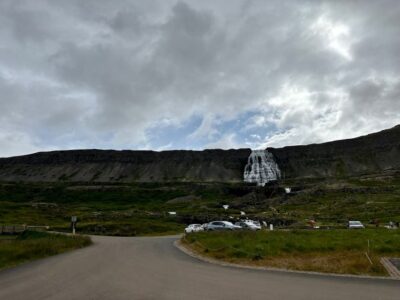
From Isafjordur: Dynjandi Waterfall Guided Day Trip by Bus
Read our review →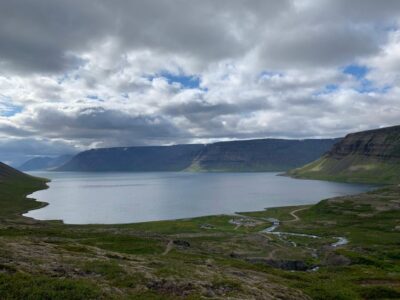
Isafjordur: Dynjandi Waterfall Tour and Icelandic Farm Visit
Read our review →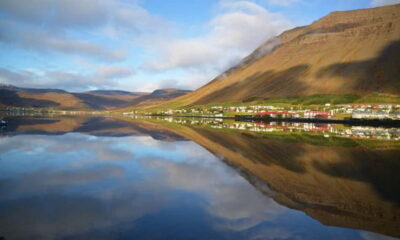
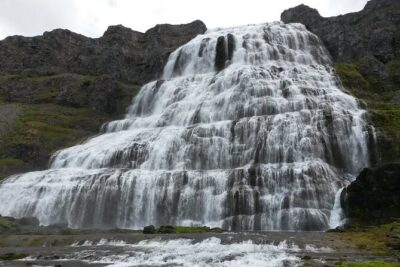
Small Group Tour Ísafjordur Dynjandi Waterfall & Secret Stop
Read our review →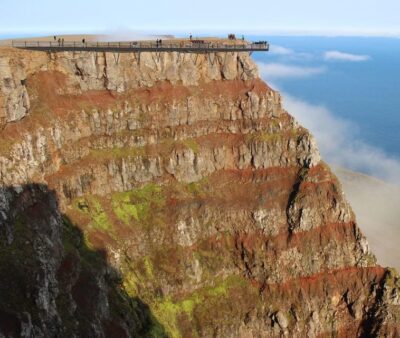
Isafjordur: Bolafjall View Platform Guided Trip by Bus
Read our review →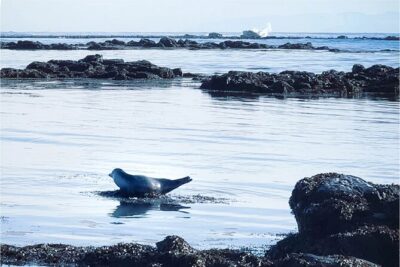
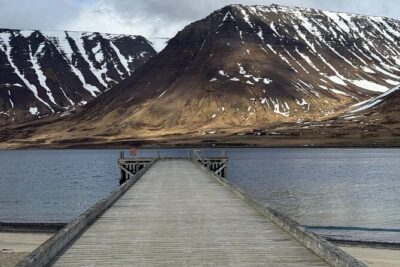
4 Hour Isafjordur and Dynjandi Tour With Photo Stops
Read our review →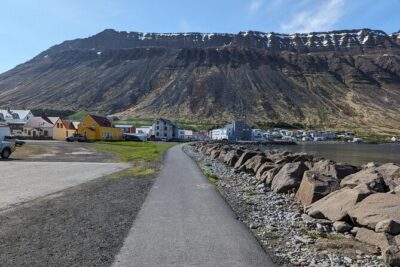
Self-Guided Tour of Ísafjörður: Art, History, and Architecture
Read our review →Browse the lists this tour appears in