
REVIEW · OSLO
Oslo: Best of Oslo Walking Tour & Fjords Sightseeing Cruise
Oslo makes a strong first impression from the water, but its central streets explain why the city looks and feels the way it does. This four-hour combination tour pairs a two-hour guided walk with a two-hour fjord cruise, giving you both the city’s public face and its quiet island setting.
I like the compact group size, limited to 10 people, and the easy mix of landmarks: Parliament, the Grand Hotel, the Opera House, and City Hall all fit into one walk. I also like the cruise route, which reaches Hovedøya, Dyna Lighthouse, Bygdøy, and Huk Beach without asking you to arrange a second outing.
The main consideration is pace. Four hours covers a lot, but the walking portion is an overview rather than a museum visit. The cruise is also sightseeing-focused, so you see the museums and beaches from the boat rather than going ashore.
Key points to know before booking
- A two-part Oslo introduction: Walk the central streets first, then see the city from the Oslo Fjord.
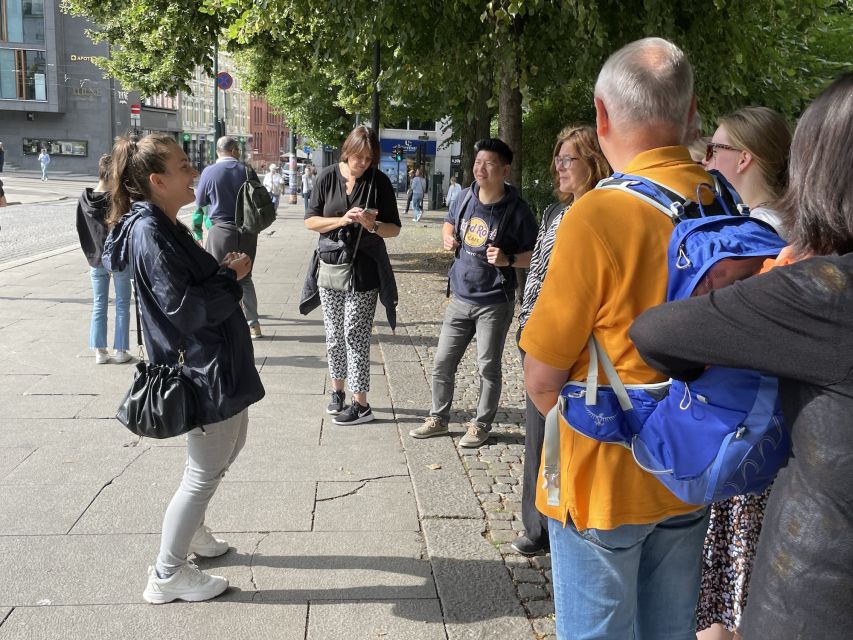
- Small groups of up to 10: The size should make it easier to hear the English-speaking guide and ask questions.
- A strong architectural contrast: The route moves from 19th-century streets and the Grand Hotel to the modern Opera House.
- Historic Christiania and the Tiger City story: You get context for Oslo’s old name and unusual nickname.
- Good photo opportunities from the boat: The cruise passes Hovedøya, Dyna Lighthouse, Bygdøy, and Huk Beach.
- Practical support included: A sightseeing app, multilingual audio options, wheelchair access, and free cancellation up to 24 hours ahead add flexibility.
Why this four-hour combination works in Oslo
Oslo is easier to understand when you see its center and shoreline together. The walking tour gives you the city’s civic core, where Parliament, hotels, streets, and public buildings tell the story of Norway’s capital. The boat then shows how closely the city is tied to the fjord.
That pairing matters because Oslo is not only a collection of landmarks. Its setting is part of its identity. From the water, the city opens into narrow channels, small bays, wooded islands, summer homes, and the Bygdøy peninsula. You get a clearer sense of the geography than you would from a street-only tour.
At $82 per person, the price is reasonable if you want a ready-made half-day introduction and plan to use both parts. You are paying for four hours of organized touring, a live English guide for the walk, the cruise, and a sightseeing app. It is less attractive if you prefer to explore slowly, visit museums inside, or choose your own boat departure.
More Sightseeing Fjord Cruises in Oslo:
- Oslo: Oslo Fjord Sightseeing Cruise by Sailing Ship
★ 4.5 · 5,790 reviews - Oslo: Guided Sightseeing Fjord Cruise on Premium Silent Boat
★ 4.7 · 1,826 reviews - 2-Hour Oslo Fjord Sightseeing Cruise by Sailing Ship
★ 4.0 · 694 reviews
Starting at University Aula on Karl Johan
The meeting point is University Aula at Karl Johan Street 47, near the statue of P. A. Munch by the entrance. The tour departs at 10:00 AM, though you should still check the available date and starting time when booking.
This is a sensible place to begin because Karl Johan is one of Oslo’s main central streets. Starting here puts you close to the city’s formal buildings and lets the guide explain how the center developed before you move toward the waterfront.
Bring comfortable shoes. The tour lasts four hours, and the first half is on foot. A charged smartphone is also useful for the included app, while an umbrella is worth carrying because the tour runs outdoors and the weather can change.
Parliament, the Grand Hotel, and Karl Johan
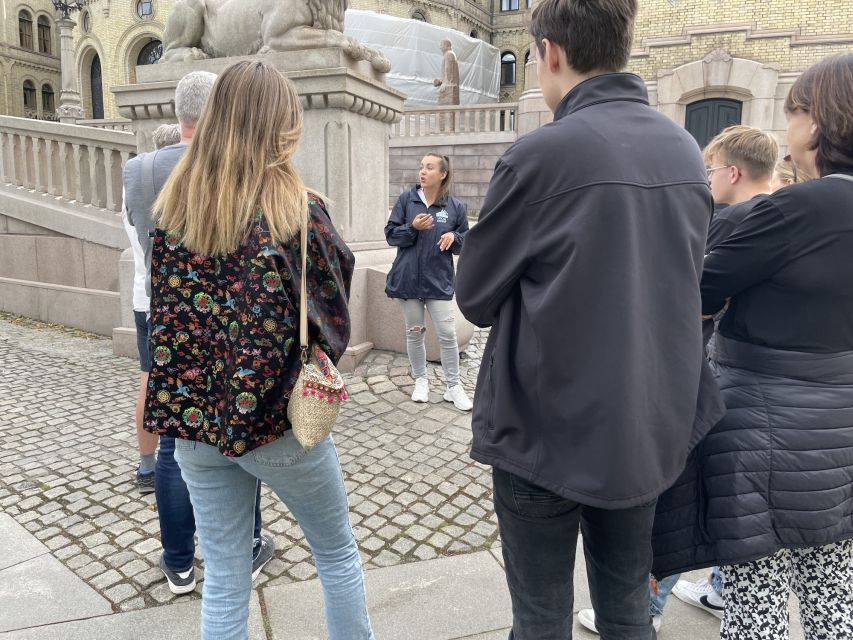
The walking route begins with Oslo’s 19th-century architecture. The Norwegian Parliament is an obvious early highlight, not just for its appearance but for what it represents: Norway’s democratic government.
The Grand Hotel adds a different layer. It is tied to the ceremonial side of central Oslo, while Karl Johan supplies the public street scene between major buildings. Your guide places these stops in context instead of treating them as disconnected photo points.
I like this part of the walk for orientation. You learn where the city’s political, cultural, and commercial activity meets. If this is your first few hours in Oslo, the route can help you recognize the central district later when you return on your own.
Do not expect long stops inside buildings. The tour is built around outdoor commentary and movement through the streets. That is useful for seeing several major sights, but it will not satisfy you if you want extended time at Parliament or the Grand Hotel.
The Tiger City and the Norwegian Opera House
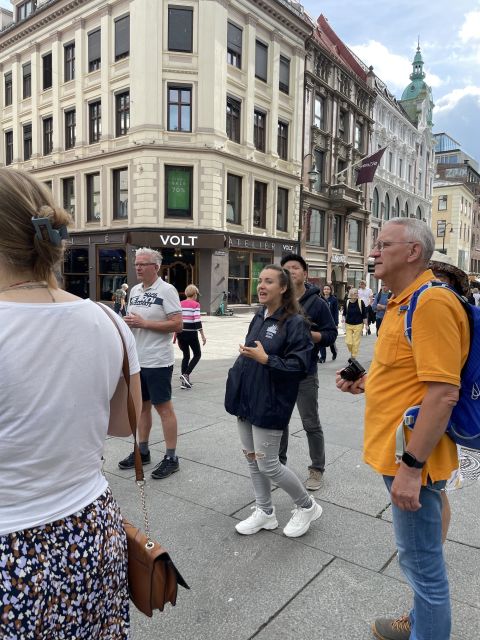
One of the more unusual details is Oslo’s nickname, the Tiger City. The guide explains the story behind that name as part of the walk, giving you a small piece of local character that a simple photo tour might skip.
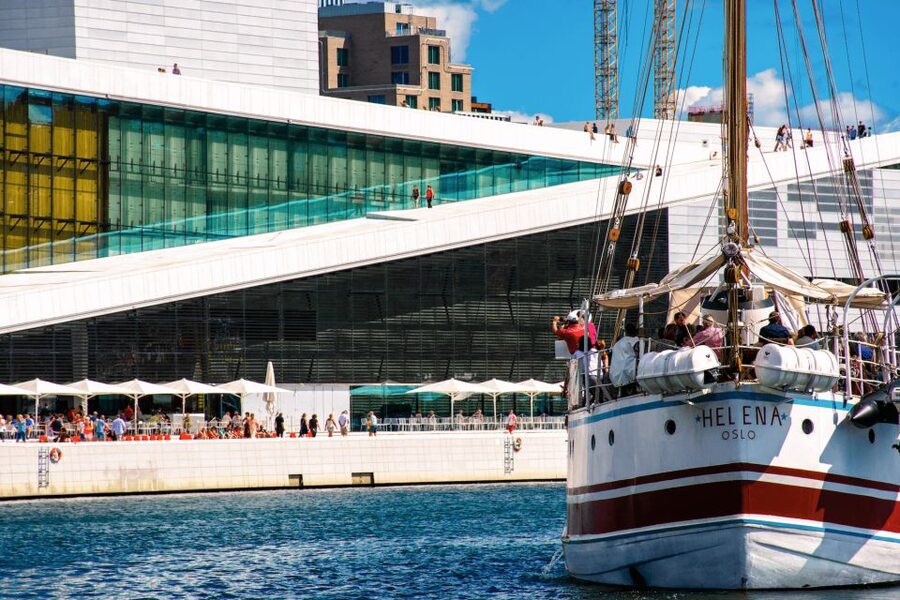
The route also includes the Norwegian Opera House, home of The Norwegian National Opera & Ballet. Its modern design provides a sharp contrast with the older buildings around Karl Johan. This shift from 19th-century architecture to a contemporary cultural building is one of the best visual features of the itinerary.
The Opera House is especially rewarding when seen again from the boat. On foot, you notice its striking form as part of the city. From the water, you see how it sits along the waterfront and how its shape relates to the harbor.
This is where the tour feels most current. Oslo is presented not as an old city frozen in place, but as a capital that keeps changing while holding onto its earlier civic center.
More Walking Tours in Oslo:
- Milford Sound: Self-Guided Milford Track Day Walk
★ 4.5 · 114 reviews - Milford Sound: Nature Cruise & Milford Track Walk
★ 4.5 · 108 reviews - Self-Guided Milford Track Day Walk – Milford Sound
★ 5.0 · 17 reviews - From Te Anau: Milford Sound Cruise & Track Walk by Coach
★ 5.0 · 10 reviews
Christiania and the story behind the name
The walking tour continues to Christiania, Oslo’s historical core. The name opens a door to the city’s past and to the changes that shaped its identity over the centuries.
The guide explains why the name changed, offering a short historical thread rather than a list of dates. That context helps you understand why Oslo can have several names in historical discussion and why the old center remains important.
This stop is valuable for anyone who wants more than landmark recognition. You will not simply hear that a building is old or important. You get a reason for its place in the city’s story.
Still, keep your expectations in check. The activity description does not promise an interior visit or a long historical lecture. The appeal is the guide’s explanation as you move through the streets, not a formal history seminar.
City Hall and the Nobel Peace Prize
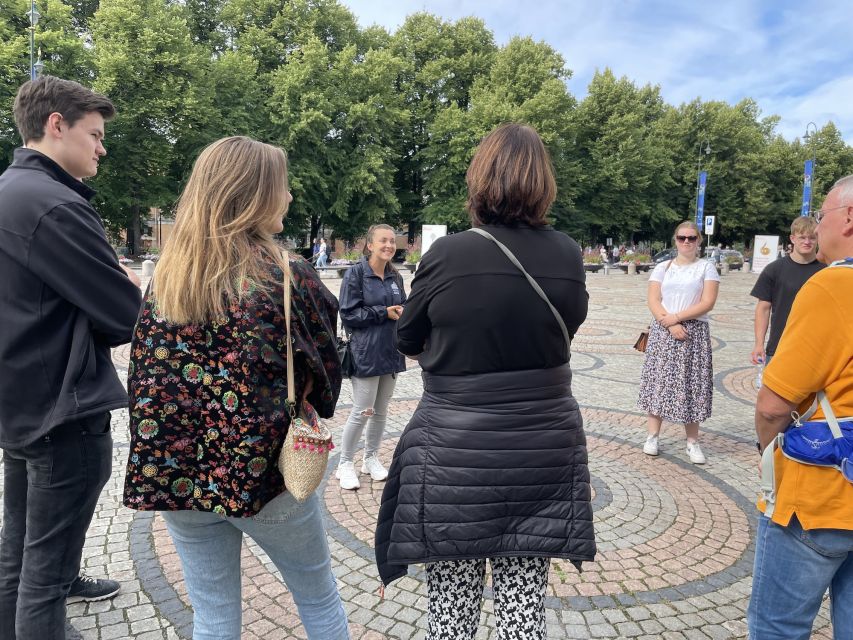
The walking section finishes at Oslo City Hall, where the Nobel Peace Prize ceremony takes place. This gives the tour a strong closing point, with a building connected to an event known around the world.
City Hall also brings you back toward the waterfront, making it a natural bridge between the street tour and the cruise. The location represents peace and public life, while the next part of the experience turns toward islands and open water.
If you enjoy understanding why a place matters, this stop earns its place on the route. If you mainly want grand interiors, the lack of a promised indoor visit may feel limiting. The tour is designed to show you the setting and explain its meaning from outside.
Boarding the historic vessel for the fjord cruise
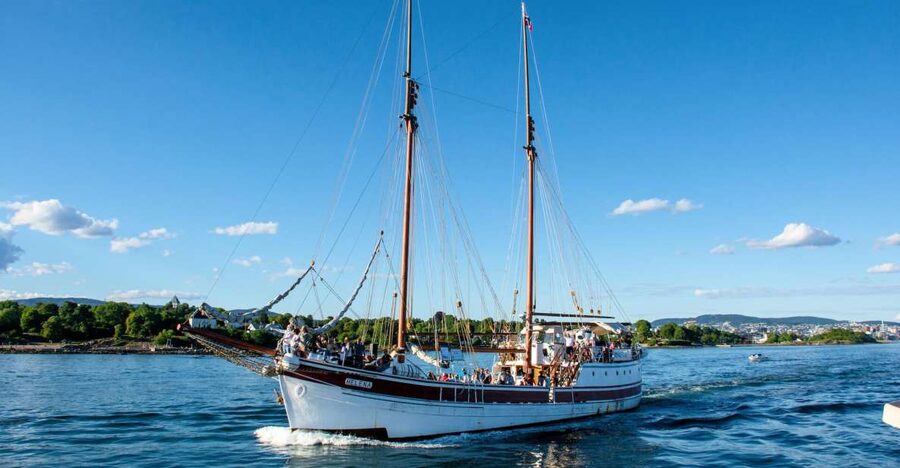
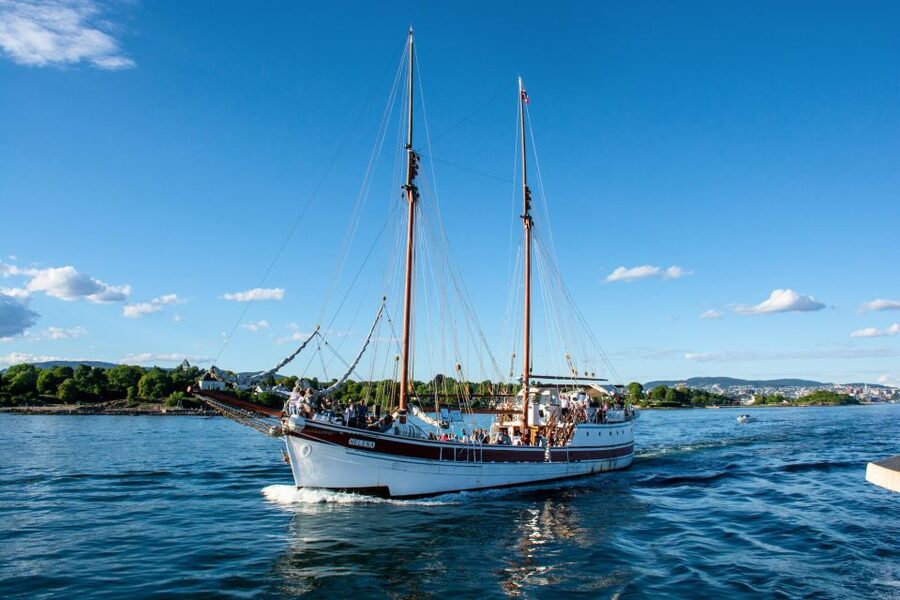
After the walk, you continue with a two-hour sightseeing cruise on a historic vessel. The boat passes through slender straits, small bays, and calm coves, giving you a different pace after the city streets.
The cruise is not only an open-water ride. Oslo’s fjord is dotted with islands and summer homes, and the route brings these smaller details into view. You get a sense of how close quiet shoreline areas are to the capital’s center.
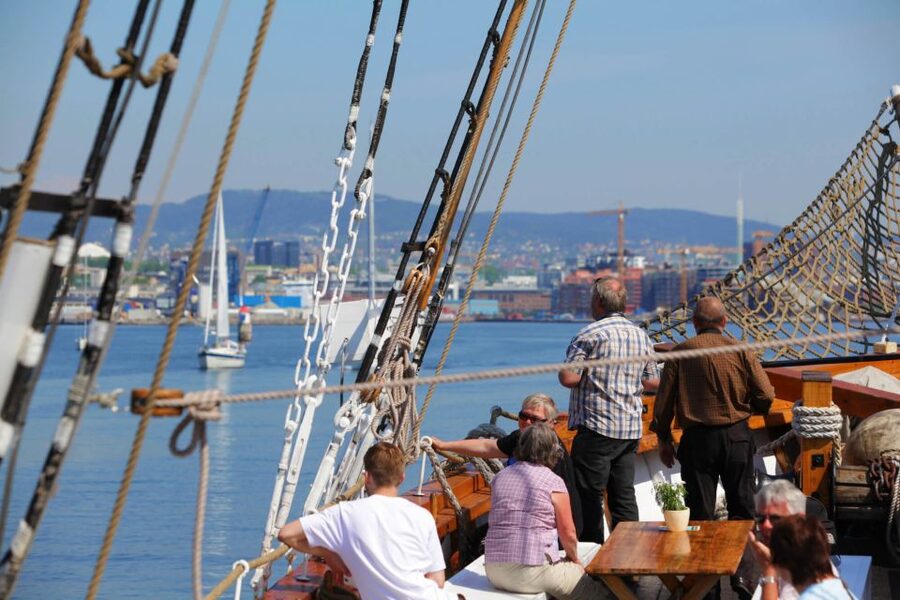
An open-top vessel is useful for photos and broad views, though you should bring the umbrella listed among the recommended items. Weather will affect how pleasant the open-air viewing feels, so dress with the conditions in mind without assuming a particular forecast.
The boat also gives you time to rest. That matters because the walking tour packs several central landmarks into two hours. The change from pavement to water makes the full experience feel less tiring than another continuous walking route.
Hovedøya and Dyna Lighthouse
Hovedøya is one of the islands included on the route. The cruise lets you see its shoreline as part of the wider fjord setting, rather than requiring you to plan a separate island trip.
Dyna Lighthouse adds a recognizable maritime feature. Small points like this help break up the view and give you useful subjects for photos. The route is at its best when you pay attention to the smaller structures, channels, and coves rather than waiting only for famous buildings.
The boat moves through narrow passages, so the views change often. One moment you are looking toward an island, and the next you are facing a different angle of Oslo’s waterfront. That variety is one reason the cruise works well after the central walking tour.
The Opera House, Munch Museum, and City Hall from the water

The shoreline view includes the Munch Museum, the Opera House, and City Hall. Seeing these buildings from the fjord changes their scale and relationship to one another.
The Opera House is the major architectural highlight. Its design is widely recognized, but the water gives you a fresh angle. You can appreciate it as part of the harbor rather than only as a building reached on foot.
The Munch Museum adds another cultural marker along the waterfront. The cruise does not include entry, but the view can help you decide which museums deserve your own time later.
City Hall looks different from the boat as well. After hearing about its role in the Nobel Peace Prize ceremony during the walk, you see it again from the shoreline, now as part of Oslo’s working harbor and civic center.
Bygdøy, Huk Beach, and the museum shoreline
As the boat approaches Bygdøy peninsula, the cruise passes museums and beaches, including Huk Beach. This section shows a quieter side of Oslo and makes clear how quickly the city gives way to recreational shoreline.
The Maritime Museum is visible with vintage sailing ships anchored nearby. The Fram Museum is another major sight, known for the polar exploration vessel Fram. From the water, you see these attractions in their setting and can note them for a later visit.
The cruise does not include museum admission or a stop for exploration, so think of this as a preview. If polar exploration or maritime history interests you, you will likely want to return to Bygdøy with more time.
Huk Beach adds a simple outdoor counterpoint to the museums. It helps show that Oslo’s waterfront is used for leisure as well as culture. The combination of beaches, museum buildings, boats, and islands gives the cruise more range than a simple pass along the central harbor.
Group size, guide style, and language support
The walking tour is limited to 10 participants. That is a useful middle ground: small enough for a personal feel, but not so private that the price becomes much higher.
The live guide speaks English. A complimentary sightseeing app includes audio options in English, Spanish, French, Italian, and German. The listing also identifies English as the tour language, so you should treat the app as additional support rather than expect a live guide in every language.
One guide specifically praised for this route is Csilla, described as helpful and well informed about the city. You cannot assume she will lead every departure, but if her name appears when you select your date, that is a positive sign for the history-focused portion.
The small group also helps with practical matters. It should be easier to hear explanations near busy streets and to ask a quick question without interrupting a large crowd.
Accessibility and what to bring
The activity is listed as wheelchair accessible. Since the experience combines city streets with a boat, you should still confirm the exact arrangements for your date if you have particular mobility needs. The available information confirms accessibility, but it does not describe every surface, boarding detail, or restroom arrangement.
Wear comfortable shoes for the two-hour walk. Bring a charged smartphone for the sightseeing app, and pack an umbrella for the outdoor portions. These are small preparations, but they can make the difference between focusing on Oslo and worrying about your feet or the weather.
The tour ends back at the meeting point. That makes the activity convenient if you want to continue exploring central Oslo afterward or return to a nearby hotel.
Who should book this Oslo tour?
I would choose this experience if you have about half a day and want a clear introduction without planning two separate activities. It suits first-time visitors, cruise passengers with limited time, and anyone who wants both city landmarks and fjord scenery.
It is also a good fit if you like hearing the story behind buildings. Parliament, the Grand Hotel, Christiania, and City Hall are more useful when you know why they matter, and the guide provides that framework.
You may want a different plan if your priority is museum interiors, independent wandering, or a long stop at one landmark. The walking portion moves through several places, and the cruise remains a sightseeing ride rather than a shore excursion.
The 4.2 rating from 24 reviews suggests a generally strong but not flawless experience. The most specific praise centers on the walking guide, especially Csilla, and on the boat’s variety of views and onboard options. That matches the tour’s main strength: it gives you two distinct ways to read Oslo in one booking.
Should you book the Best of Oslo and fjord cruise?
Book it if you want efficient coverage, a small walking group, and a boat route that reaches more than the immediate harbor. The combination of Karl Johan, Christiania, City Hall, the Opera House, Hovedøya, Dyna Lighthouse, Bygdøy, and Huk Beach gives you a broad first look at Oslo.
At $82, the value is strongest when you use both two-hour sections and appreciate guided context. Skip it if you prefer to set your own pace or plan to spend the same morning inside museums.
For many short Oslo visits, this is a sensible first-day framework: learn the city center on foot, then let the fjord show you why the capital’s setting is such a central part of its appeal.
FAQ
How long does the Oslo walking tour and fjord cruise last?
The full activity lasts four hours. It includes a two-hour Best of Oslo walking tour and a two-hour fjords sightseeing cruise.
Where does the tour start?
Meet your guide at University Aula, Karl Johan Street 47, near the statue of P. A. Munch by the entrance. Tours depart at 10:00 AM, with availability depending on the selected date.
Where does the activity end?
The activity ends back at the original meeting point.
What language does the live guide speak?
The live tour guide speaks English. The complimentary sightseeing app offers audio options in English, Spanish, French, Italian, and German.
What landmarks are included on the walking tour?
The walk includes the Norwegian Parliament, the Grand Hotel, Karl Johan street, the Norwegian Opera House, Christiania, and City Hall, where the Nobel Peace Prize ceremony takes place.
What can I see during the fjord cruise?
The cruise includes views of the Munch Museum, Opera House, City Hall, Hovedøya, Dyna Lighthouse, Bygdøy, Huk Beach, the Maritime Museum, and the Fram Museum.
Can I cancel or pay later?
You can cancel up to 24 hours in advance for a full refund. The reserve-now-and-pay-later option lets you book without paying immediately.
Just added around Oslo
- The Scenic Roadtrip, Oslo to Bergen via Flam & the Fjords★ 5.0 · 25 reviews
- Oslo’s Ultimate Fjord View Hike & Norwegian Waffle Workshop★ 5.0 · 4 reviews
- Fjord Houseboat Cruise in Oslo. 100 % electric. BYO★ 5.0 · 3 reviews
- Panoramic Peaks and Oslo’s Best Fjord Views Hike★ 3.0 · 2 reviews
- Oslo Nature walks: Forest to Fjord★ 5.0 · 9 reviews
- Private tour, Bergen to Oslo – Nærøyfjord Cruise & Flåm Railway★ 5.0 · 6 reviews
- Fishing in Oslo Fjord★ 5.0 · 4 reviews
- Exclusive Private Cruises on the Oslo Fjord★ 5.0 · 35 reviews
Oslo Fjord Tours, compared.

Oslo: Oslo Fjord Sightseeing Cruise by Sailing Ship
Read our review →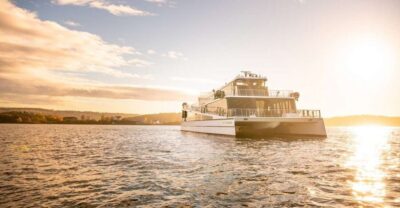
Oslo: Scenic Fjord Cruise with Audio Guide Commentary
Read our review →
Oslo: Fjord Evening Cruise with Shrimp Buffet
Read our review →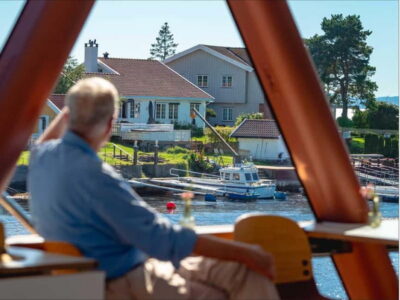
Oslo: Guided Sightseeing Fjord Cruise on Premium Silent Boat
Read our review →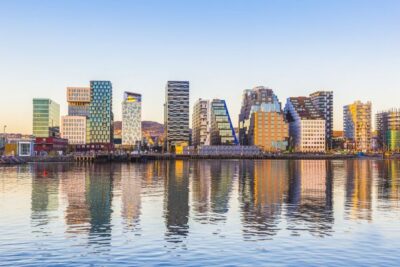
Oslo: Grand City Sightseeing Tour by Bus with Fjord Cruise
Read our review →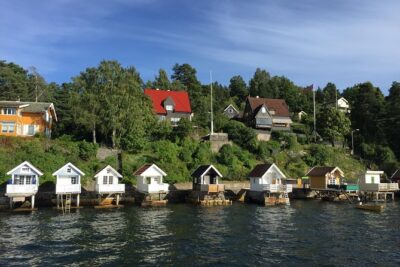
Oslo Combo Tour: Grand City Tour and Oslo Fjord Cruise
Read our review →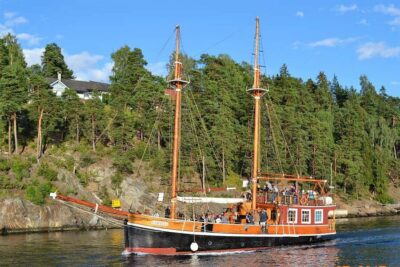

Browse the lists this tour appears in