
REVIEW · NORWAY
Stavanger: Hiking to world famous Pulpit Rock
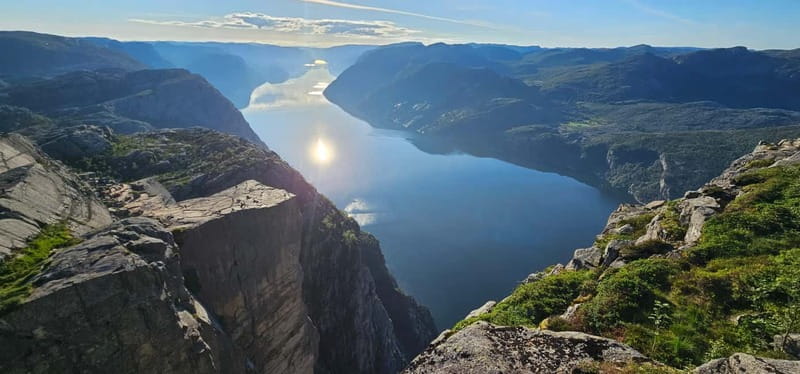
Pulpit Rock is not a viewpoint you simply stroll up to. The trail climbs over rough ground, stone steps, forest, and exposed mountain sections before opening onto a broad rock shelf above Lysefjord. The local first-responder guides add a useful safety-minded touch, especially when weather shifts quickly.
I like the chance to enjoy the trail at a measured pace rather than rush for a summit photo. I also like the practical extras: water and light snacks, plus a guide who can help with footing, pacing, and the best way to handle the steeper parts.
The main catch is the physical effort. The first climb is steep, the trail can be rocky, and the advertised five hours leaves little room for a very slow outing. You need trail shoes, dry clothes, and enough stamina for the return descent.
Key points to know before you book
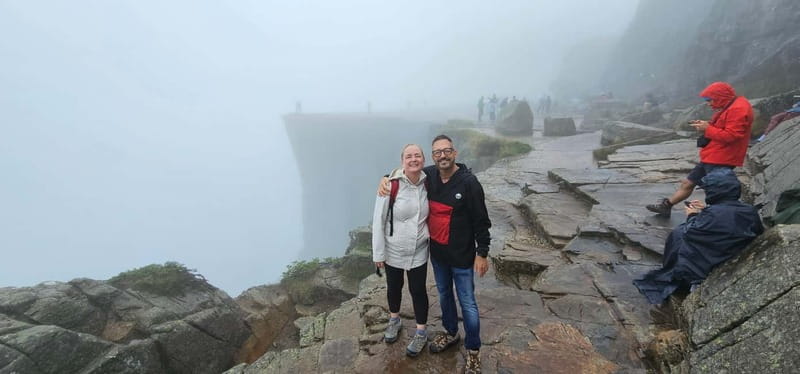
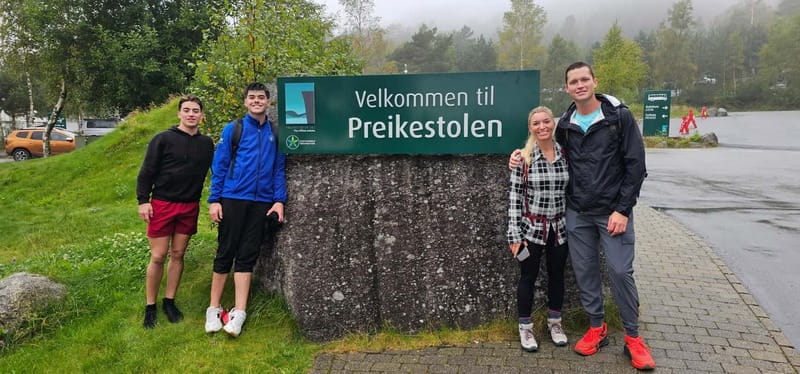
- The route starts at Preikestolen BaseCamp: This is the stated meeting point, beside the welcome map and Hiking Cafe.
- The first climb is the hardest: Expect a steep, rocky opening section where walking slowly is the smart choice.
- Sherpa-built stone stairs help on the middle section: The route becomes easier to follow, though it still calls for steady footing.
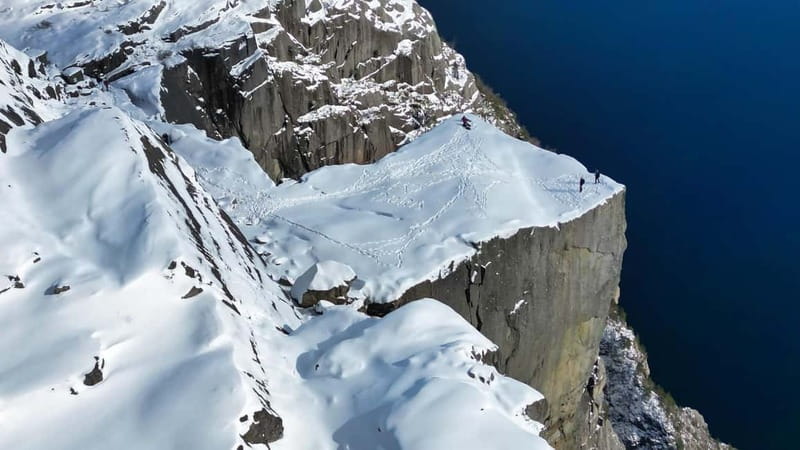
- The summit is a wide rock plateau above Lysefjord: The reward is a clear, open view rather than a decorated lookout.
- Guides include Tore and John: John is noted for patience, encouragement, weather awareness, and flexible help with transport.
- The outing takes about five hours: That includes roughly four hours on the guided hike and the return to BaseCamp.
Why the Pulpit Rock route is worth your legs
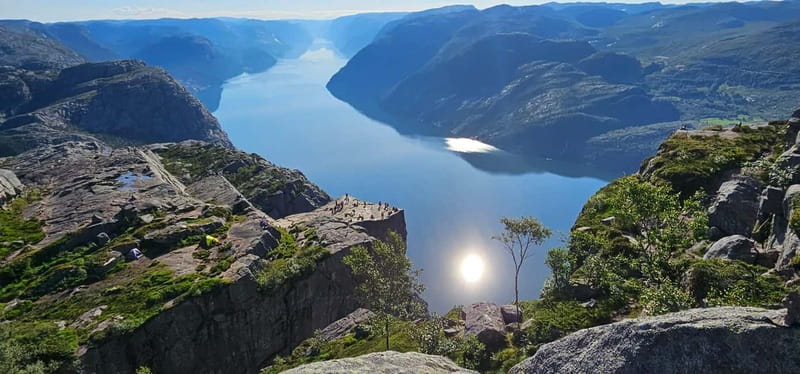
Preikestolen, or Pulpit Rock, is one of Norway’s best-known natural sights for good reason. A flat rock shelf projects above Lysefjord, giving you a huge view with very little built around it. The setting feels dramatic because the viewpoint is simple: rock, water, steep mountain sides, and open sky.
This experience gives you more than a quick photo stop. You spend time moving through the terrain that leads to the viewpoint, and that makes the arrival feel earned. I like that balance. You get a famous sight, but the route still feels like a mountain outing rather than a bus tour with a short walk attached.
The description presents the activity as a hike to Pulpit Rock, with running as an option for people who are fit and comfortable on uneven ground. Do not read that as a promise of a race or a fast group pace. The trail includes steep sections, and the practical advice is to walk slowly and conserve energy at the start.
The tour is listed at $156 per person. That is not a cheap way to reach a viewpoint, but the price includes a guided hike, water, light snacks, and the support of a local guide. The value depends on what you need. If you already know the route, have your own transport, and are happy to manage changing mountain conditions alone, you may prefer a self-guided visit. If you want someone to set the pace, share local information, and help you manage the trail, the fee becomes easier to justify.
More Fjord Hikes in Norway:
- Stavanger: Electric Fjord Cruise to Lysefjord & Preikestolen
★ 4.6 · 8,385 reviews - Stavanger: Fjord Cruise to Lysefjord and Pulpit Rock
★ 4.8 · 1,357 reviews - From Stavanger: Lysefjorden & Pulpit Rock RIB Boat Tour
★ 4.8 · 1,156 reviews
Meeting at Preikestolen BaseCamp
The hike begins at Preikestolen BaseCamp, where you meet near the welcome map and Hiking Cafe. This gives you a clear place to get oriented before setting off. Use the time to check your footwear, adjust your backpack, and make sure your dry clothes and windproof jacket are packed.
The information also says transport is provided from Stavanger, while the stated hiking meeting point is BaseCamp. That detail is worth confirming when you book, since the exact pickup arrangement is not fully spelled out. Do not assume you can simply wait in central Stavanger unless your booking instructions confirm it.
BaseCamp is more than a pin on a map. It is the practical starting point for checking the route and preparing for a climb that changes character several times. Bring water even though some is included. A small personal supply gives you more control, particularly if you tend to drink often during uphill walking.
The first climb demands a steady pace
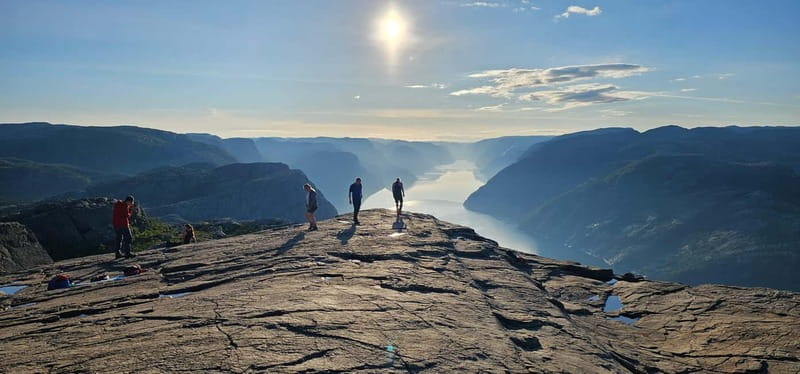
The opening part of the trail is the section to respect. It is steep and rocky, and the advice to move slowly is sound. Trying to power through this part can leave you short of energy before the trail has really opened up.
I would treat the first climb as a warm-up with a view to the whole day, not as a test of speed. Keep your steps short, watch where you place your feet, and let faster walkers pass if needed. The guide can help you settle into a pace that works for the group.
Good trail shoes matter here. Trainers with a smooth sole are a poor choice for a route described as rocky and rugged. You also need clothes that can handle shifts in mountain weather. A windproof jacket and a dry change of clothes are specifically recommended, and that is sensible even if the weather looks calm at BaseCamp.
The guide’s role is useful at this stage. John, one of the guides named in the feedback, is described as patient and encouraging, including when the group needed time on the many stairs. That matters more than a stream of facts when your legs are working hard. A guide who does not rush you can turn a difficult climb into a manageable one.
Forest, streams, and Sherpa-built stairs
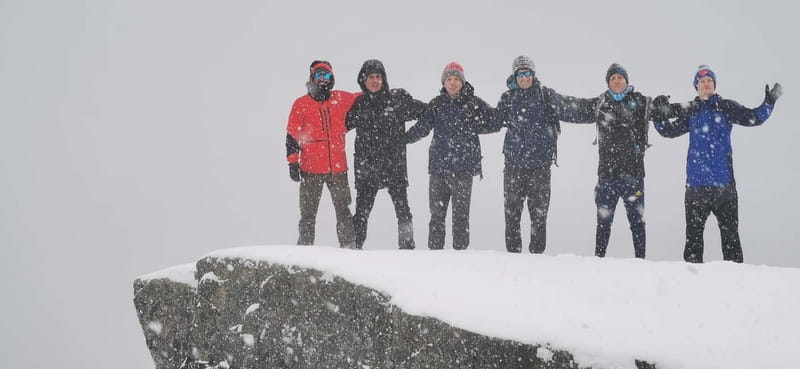
After the first major climb, the route becomes easier to handle. The trail levels out in places, and the well-maintained path passes through forest with small streams nearby. This is the part where you can find a more natural rhythm.
Stone stairs built by Sherpas make sections of the route easier to follow and help reduce some of the roughness underfoot. They do not make the trail flat. You still need to pay attention, particularly if the stones are wet, but the constructed sections give you a firmer route than loose ground alone.
This middle stretch is also where the walk feels less like a grind. You can look around, enjoy the trees and water, and listen to information from the guide without being fully focused on the next step. The route has variety, which helps keep the four-hour guided portion from feeling like one long uphill push.
The quieter trail is another plus. The activity promises a less crowded route, which can make it easier to keep your own pace and hear the guide. Crowd levels can change with weather and timing, so do not expect complete solitude, but a quieter path is a useful advantage for a guided hike.
More Walking and Hiking Trips in Norway:
- Guided hike to Pulpit Rock Preikestolen
★ 5.0 · 390 reviews - Trolltunga Classic Overnight Hike
★ 5.0 · 336 reviews - From Stavanger: Pulpit Rock Guided Hike with Pickup
★ 4.9 · 294 reviews - Stavanger: Preikestolen (Pulpit Rock) Hike with Local Guide
★ 4.8 · 279 reviews
The second climb and the final approach
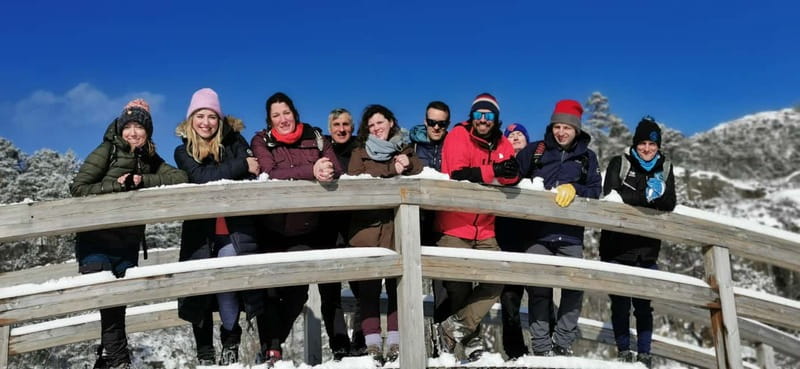
The second climb is less steep than the opening one, but it still calls for effort. The ground becomes more rugged, so this is not the time to switch off your attention. Keep your hands free, use your windproof layer if needed, and watch the surface in front of you.
As you get higher, the route moves toward more open views. The final approach leads along the cliff toward the summit, and the character of the hike changes again. The reward arrives gradually rather than all at once. You begin to see more of Lysefjord, then the rock shelf and the surrounding mountain sides come into view.
This is where a guide can add real value. A local guide can help you judge when to pause, where to stand safely, and how much time to spend at the top without putting the return schedule under pressure. The tour is not simply about reaching the highest point as quickly as possible.
Tore is another named guide associated with this experience. He is described as good company and well informed about the area. That combination suits this route. You want local context, but you also want a calm person beside you when the path gets rough.
Standing on Pulpit Rock above Lysefjord
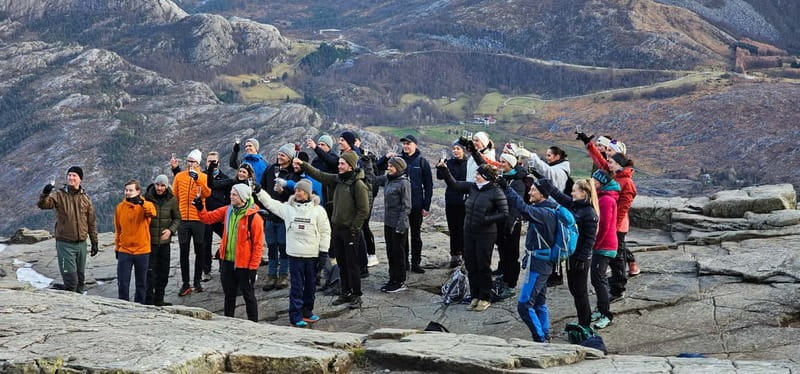
Pulpit Rock itself is a broad, exposed plateau that juts over Lysefjord. The view is the main event, and it is easy to understand why this place has become one of Norway’s signature sights. The fjord cuts through the mountains below, giving you a strong sense of height and distance.
The stop at the top is a chance to rest, drink, eat the supplied snack, and take photos. Give yourself time to enjoy the view rather than treating the summit as a quick turnaround point. The rock plateau is impressive because it is so plain and open, but that also means you need to stay aware of your footing and the edge.
Weather can change the experience quickly. One guide, John, moved a departure 30 minutes earlier because rain was expected, allowing the group to finish before it arrived. That example shows why a flexible start can matter. It also shows why you should pack dry clothes even when the forecast looks friendly.
The view may be the reason you book, but the stop works best when you arrive with enough energy left to appreciate it. That is another reason not to race the first climb. A fast ascent followed by a worn-out summit stop is less satisfying than a controlled hike with time to look around.
The 4.2-kilometre descent to BaseCamp
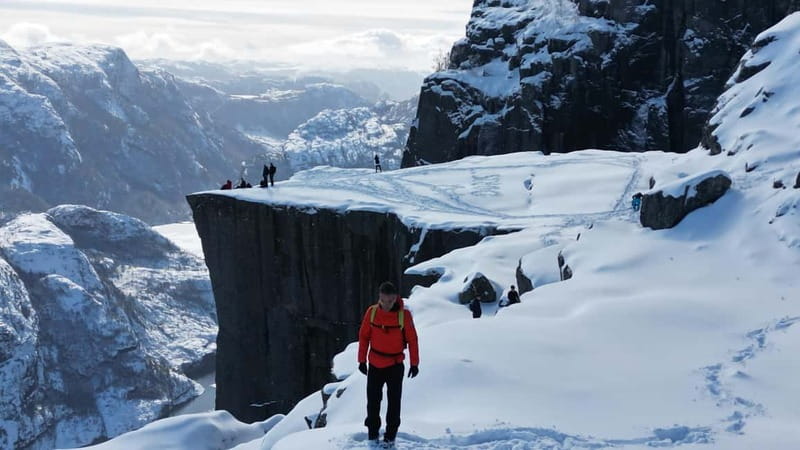
The return is described as a 4.2-kilometre downhill walk to BaseCamp. It may be quicker than the climb, but downhill does not mean effortless. Steep steps and uneven rock can be hard on knees and ankles, especially after you have already spent several hours on the trail.
Take the descent seriously. A steady pace is safer than trying to finish quickly, and you should stay aware of other people using the route. The guide can help keep the group together and point out sections where careful foot placement matters.
The downhill journey gives you a different view of the route. You may notice the forest, streams, and stonework more clearly because you are no longer concentrating only on gaining height. It is also a useful time to reflect on how much the terrain changed between BaseCamp and the summit.
The total outing is listed as five hours, with the guided tour itself described as four hours. That is a reasonable amount of time for a strong hiker, but you should not plan a tight dinner reservation immediately afterward. Dinner is not included, and the trail pace, weather, and group needs can affect the finish.
What the guide adds to the day
A self-guided walk can work for people who are comfortable reading a route and managing mountain conditions. This tour is aimed at people who want more support and conversation along the way. The guide speaks English and leads the group from BaseCamp to Pulpit Rock and back.
The first-responder background is especially relevant on a route with steep ground and changeable weather. It does not remove the need for your own preparation, but it adds another layer of practical judgment. You still need suitable shoes, water, food, and clothing. The guide is not a replacement for sensible hiking habits.
The strongest guide qualities here are patience, local information, and flexibility. John is credited with waiting for slower hikers, offering encouragement, adjusting the start time ahead of rain, and even dropping the group at its hotel. That hotel drop-off should be treated as a helpful example, not a guaranteed service, since the standard meeting information points to BaseCamp.
Tore’s friendly manner and area knowledge are also a good match for a long hike. You want someone who can keep the mood light without treating the mountain casually. A guide who knows when to talk and when to let you focus on the climb is worth having.
Who should book this hike
I would recommend it most to people who want the famous Pulpit Rock view but prefer not to handle the route alone. It suits active visitors who can manage steep, uneven ground and are comfortable spending several hours outdoors.
It can also work for a mixed-ability group if the slower members are willing to take their time. The guide’s patient approach is useful, but this is still a mountain hike, not a gentle walk. Anyone with limited fitness should think carefully about the first climb and the long descent.
Bring:
- Trail shoes with good grip
- A windproof jacket
- Dry clothes for changing afterward
- Water and a small backpack
- Personal snacks if you need more than the light food provided
You should also leave room in your schedule for weather changes. The free cancellation policy allows cancellation up to 24 hours in advance for a full refund, and the reserve-now, pay-later option helps keep plans flexible. Those terms are useful when mountain conditions are uncertain, but they do not change the need to check the forecast before setting out.
Should you book this Pulpit Rock experience?
Book it if you want a guided, active day with a local English-speaking guide, practical support, and a quieter route to one of Norway’s finest viewpoints. The $156 price is easiest to defend if you value the guide, included water and snacks, and the help of someone who can manage pacing and changing weather.
Skip it if you are looking for a short walk, a guaranteed fast run, or a low-cost way to reach the viewpoint. The trail is steep, the return is a real downhill hike, and dinner is not included.
For most fit visitors who want to enjoy Preikestolen without rushing it, this is a sensible choice. Pack proper shoes, keep your schedule open, and let the view be the reward for a careful climb.
FAQ
Where does the hike start?
The hike starts at Preikestolen BaseCamp, near the welcome map and Hiking Cafe.
How long does the activity take?
The full activity lasts about five hours. The guided portion to Pulpit Rock is listed as four hours, followed by the return to BaseCamp.
Is transport from Stavanger included?
The experience information says the journey begins at BaseCamp and also says participants are transported from Stavanger. Confirm the exact pickup details when booking.
What language does the guide speak?
The live guide speaks English.
What should I wear for the hike?
Wear trail shoes with good grip and bring a windproof jacket. Dry clothes are also recommended because mountain weather can change.
Is food included?
Light snacks and water are included. Dinner is not included.
How difficult is the trail?
The trail includes a steep, rocky first climb, a second rugged climb, stone stairs, and a 4.2-kilometre downhill return. You should be prepared for a physically demanding hike.
Can I cancel the booking?
You can cancel up to 24 hours in advance for a full refund. The reserve-now, pay-later option is also available.
Just added around Norway
- Winter Tour Viking Village, Nærøyfjord Cruise & Flåm Railway★ 4.6 · 26 reviews
- Tromsø: Summer Fjord Road Trip with Citizen Science★ 4.8 · 29 reviews
- Tromso: Visit 5 Fjords in 4 hours★ 4.2 · 23 reviews
- Tromsø: Fjords, Kvaløya & Sommarøy Accessible Tour w/ Lunch★ 4.9 · 27 reviews
- Tromsø: Fjords & Sommarøy Tour with Warm Local Lunch Option★ 5.0 · 7 reviews
- Tromsø: Fjord tour in a minibus to Sommarøy with fishsoup★ 5.0 · 8 reviews
- Tromsø: Fjords, Mountains and City Highlights Day Tour★ 4.4 · 11 reviews
- Tromsø: Fjord Sightseeing in a Tesla X Luxury Electric Car★ 4.3 · 19 reviews
Norway Fjord Tours, compared.
From Bergen: The Original Fjord Cruise to Mostraumen
Read our review →
Stavanger: Electric Fjord Cruise to Lysefjord & Preikestolen
Read our review →
Oslo: Oslo Fjord Sightseeing Cruise by Sailing Ship
Read our review →
Oslo: Scenic Fjord Cruise with Audio Guide Commentary
Read our review →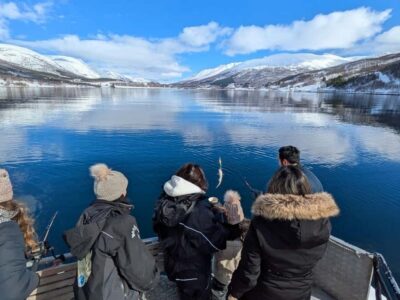
Tromsø: Arctic Fjord Cruise & Fishing Experience
Read our review →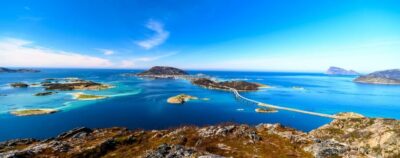
Tromsø: Fjords and Sommarøy Islands Tour with Salmon Picnic
Read our review →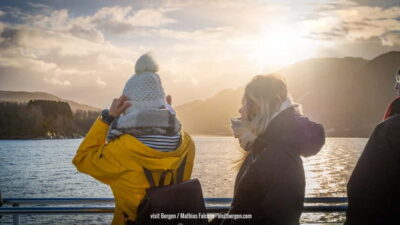
Bergen: Mostraumen Fjord Cruise – with Local Tour Guides
Read our review →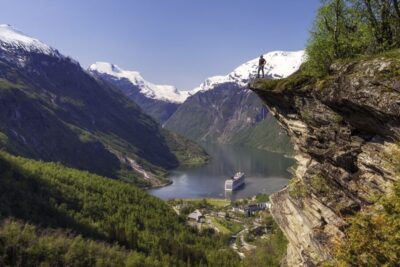
Geiranger: Dalsnibba, Flydalsjuvet, Eagle Bend & Fjords Tour
Read our review →Browse the lists this tour appears in