
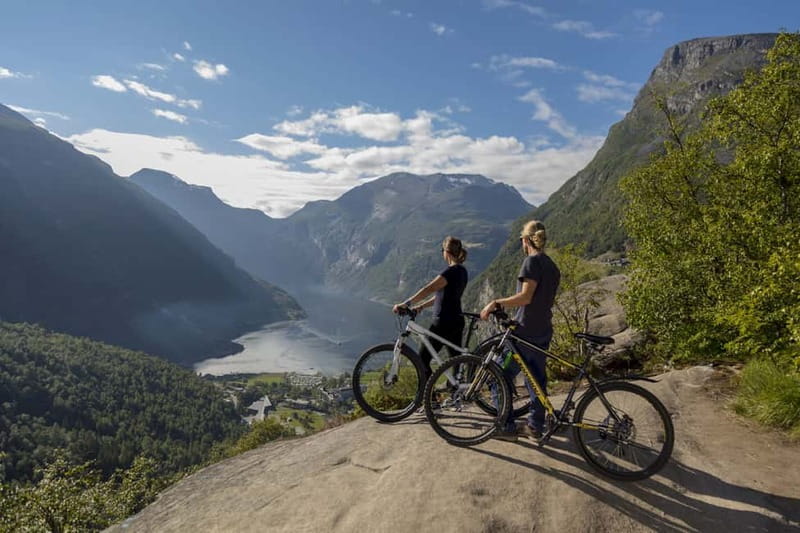
REVIEW · GEIRANGER
Geiranger Fjord: Downhill Self-Guided Bike Tour
Geiranger’s great visual trick is the change in height. You begin beside Djupvatnet Lake, 1,030 meters above sea level, then coast down toward the famous fjord, with mountain views opening around each bend. The ride lasts about two and a half hours, and you can stop for photos instead of racing from point to point.
I like the freedom to set your own pace and the easy logistics: transport carries you and the bike to the start, while the route does the hard climbing for you. I also like the chance to see Flydalsjuvet from the road, one of the finest viewpoints above Geiranger. The catch is important: this is a self-guided ride on a busy public road, not a quiet mountain-bike path.
Key points to know before you book
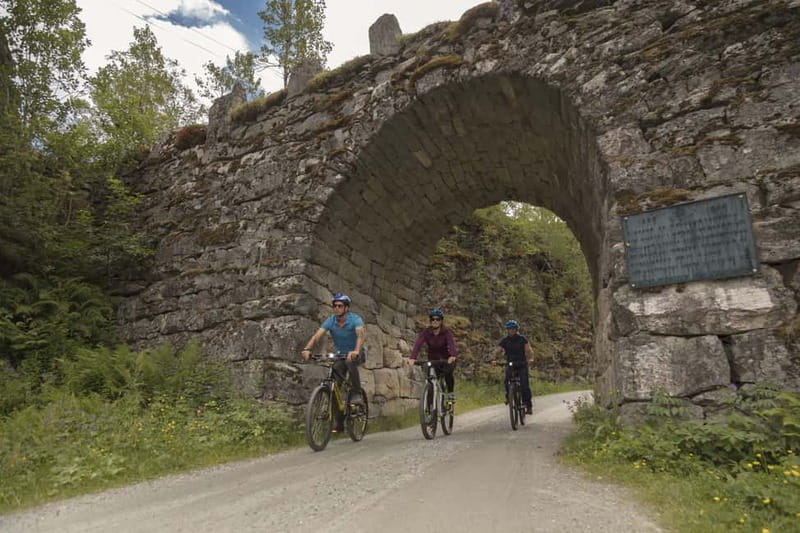
- The ride starts high at Djupvatnet Lake: Transportation takes you from Geiranger to the 1,030-meter starting point, so you get a long downhill route without a demanding climb.
- Flydalsjuvet is the main photo stop: Plan to pause here for broad views over Geiranger and the fjord far below.
- You ride without an accompanying guide: An English-speaking instructor handles the safety talk and setup, but you follow the route on your own.
- Traffic affects the experience: Camping vans, buses, and other vehicles use the same road, especially during the peak season.
- Weather can change the ride: Warm clothing and a windbreaker matter, even when Geiranger looks mild below.
- The tour suits confident cyclists aged 12 and older: Children must be accompanied by an adult, and the activity is not suitable for anyone with back or heart problems.
From Geiranger village to the high starting point
Your morning or afternoon begins at the supplier’s office at Geirangervegen 10, directly before Cafe Ole in Geiranger. This is a central and easy-to-find meeting place, but do not treat it as a hotel pickup. You need to make your own way there.
The staff provide a safety talk and fit you with a bike, helmet, bicycle gloves, and a visibility vest. That short briefing matters more than it might on a quiet cycle path. You will be riding on a public mountain road, and the combination of bends, buses, campers, and changing weather calls for attention from the first turn.
The group is limited to eight people, which keeps the equipment handout and transport fairly manageable. Still, small group does not mean guided. Once you are set up, you are driven uphill to the starting point, and then the cycling portion is self-guided.
The road to Djupvatnet may not always be open. If access to the lake is closed, the alternative starting point is the Eagle Bend viewpoint. That changes the exact shape of the ride, so ask about the day’s starting point before you set off.
A few more fjord days around Geiranger worth a look
- E-bike Tour in Geiranger, Norway
★ 4.8 · 81 reviews - Geiranger: Sky to Fjord Downhill Biking Adventure
★ 4.5 · 23 reviews - Olden: Fjord e-bike tour
★ 5.0 · 23 reviews
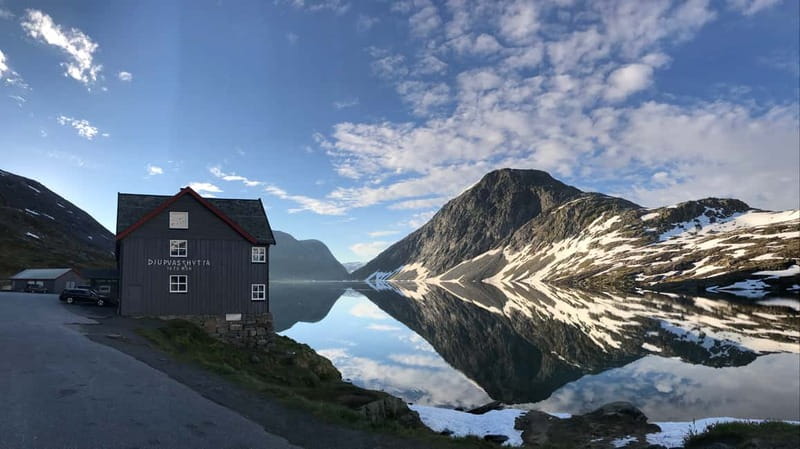
Djupvatnet Lake at 1,030 meters
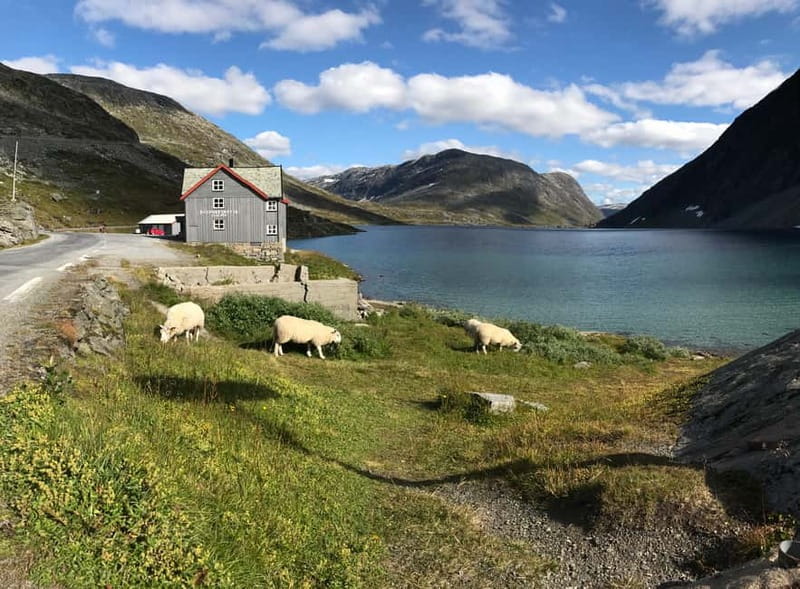
Djupvatnet Lake gives you the high beginning that makes this tour appealing. At 1,030 meters above sea level, the starting point places you well above Geiranger village and the fjord. The descent then becomes the main event, rather than a warm-up before a long uphill slog.
You should expect cooler, more exposed conditions at the lake than in the village. The required packing list is sensible: bring warm clothing, a windbreaker, sportswear, water, and snacks. Even if you feel comfortable at the office in Geiranger, the temperature and wind can feel different once you reach the high point.
The bike is supplied, along with the basic safety equipment. The route is not described as technical mountain biking, and that distinction helps set the right expectations. You are riding downhill on the road, not bouncing along a forest track or tackling a purpose-built trail.
That can be good news if you want scenery and a little adventure without serious off-road riding. It is less appealing if you are looking for jumps, single-track paths, or a quiet wilderness route.
The long downhill toward Geiranger
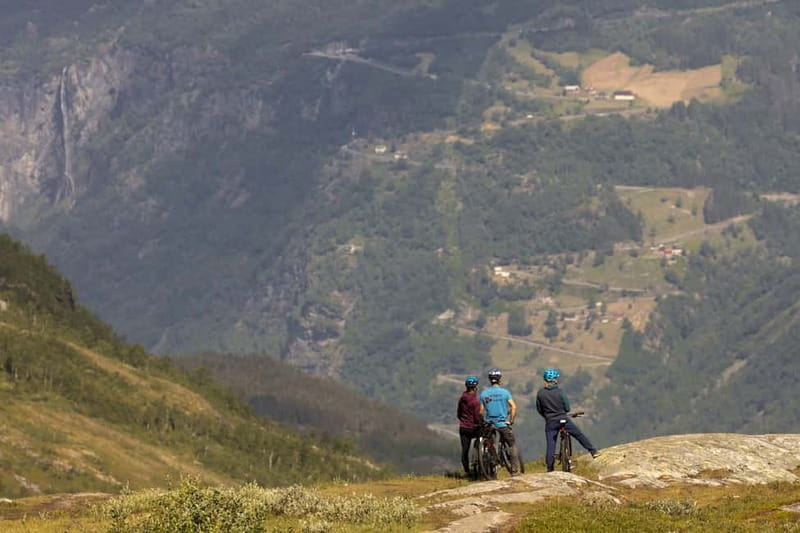
Once you start, the ride is shaped by gravity. The route follows sinuous roads down toward the fjord, giving you a steady change in viewpoint as the mountains and water come into view. The cycle itself takes about 2.5 hours, though the full activity lasts around three hours because of the briefing, equipment, transfer, and stops.
You control the pace. That is one of the strongest features of the outing. You can pause for photographs, catch your breath, or wait for road traffic to clear instead of trying to keep up with a guide or a fast group.
At the same time, self-guided does not mean carefree. You must be able to ride a bike confidently and manage the road for yourself. One practical concern is traffic. During the busy summer period, the road can carry tour buses, camping vans, and other vehicles. You may need to stop often and remain alert around bends and narrow sections.
This is the main tradeoff of the tour. The road gives you access to remarkable views, but it also brings ordinary road hazards. A self-guided format works best if you are comfortable judging traffic, controlling your speed, and stopping safely.
The supplied visibility vest is useful here, not just decorative. Wear the helmet and vest properly, keep both hands ready for braking, and do not let the view distract you while riding. Stop fully before taking photographs.
Flydalsjuvet, the essential viewpoint
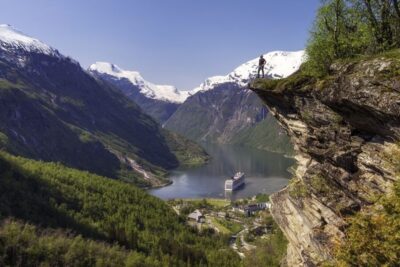
Flydalsjuvet is the standout stop on the route. From this famous viewpoint, you can look across the dramatic surroundings of Geiranger and see the fjord from above. It gives the ride a clear visual high point, because you are not only moving downhill, you are also gaining a new angle on one of Norway’s best-known fjord areas.
Give yourself time here. The route is designed to allow photo stops, and one cyclist managed many pauses while still completing the ride safely and on time. That is useful evidence of how the experience is meant to work: not a timed race, but a scenic ride with room to stop.
Flydalsjuvet is also where the value of the downhill format becomes obvious. You have earned the viewpoint through the ride, but you have not had to climb from Geiranger to reach it. The vehicle transfer has handled the uphill section, leaving you with the easier direction and more time to look around.
You should still stay aware of traffic and other people at the viewpoint. The tour does not provide a guide to manage the stop, so keep track of your equipment and your timing.
More Self-Guided Fjord Trips in Geiranger:
- Geiranger: Bus Tour with Multilingual Audio Guide
★ 4.0 · 317 reviews - Oslo: Scenic Fjord Cruise with Audio Guide Commentary
★ 4.5 · 5,375 reviews - Milford Sound: Self-Guided Milford Track Day Walk
★ 4.5 · 114 reviews - Oslo To Bergen Self-Guided Full Day Trip with Flåm Railway And Fjord Cruise
★ 4.0 · 69 reviews
What the self-guided format really means
The word self-guided deserves close attention. An English-speaking instructor provides the safety briefing and helps you get equipped, but no guide accompanies you on the cycle. You are responsible for following the road, choosing when to stop, and keeping a sensible pace.
That arrangement suits independent cyclists. I would choose it if I wanted a flexible outing and felt comfortable riding on roads in an unfamiliar area. You can linger at a photo stop instead of listening for a guide’s signal to move on.
It is less suitable if you want route commentary, constant support, or someone riding ahead to manage traffic. One assessment of the experience raised the concern that a guided group might feel safer on this road. That is a fair point, especially during peak season when buses and large vehicles can make the ride feel busy.
The small group size helps at the start and during transport, but it does not turn the ride into a guided procession. If you are nervous about road cycling, ask yourself a simple question: would I feel comfortable riding this route while making my own decisions? If the answer is no, this may not be the right excursion.
Weather, clothing, and road conditions
The tour depends on good weather, but good weather in a fjord region is not the same as guaranteed sunshine. One ride took place in heavy rain and was still described as scenic and exhilarating, but wet conditions made confidence and bike control especially important.
Rain changes the practical side of the outing. Braking requires more care, visibility may fall, and you may feel cold during the downhill ride. Bring the warm clothing and windbreaker listed for the tour, plus water and snacks. Do not assume that a downhill ride will keep you warm. The wind can make the descent feel chilly.
The activity is not suitable for people with back problems or heart problems. It is also not suitable for children under 12. Participants aged 12 or older must be accompanied by an adult, and unaccompanied minors are not accepted.
These restrictions are reasonable for a road ride with a long descent. You need enough strength and control to handle the bike, stop when needed, and respond to weather and traffic.
Is the $156 price good value?
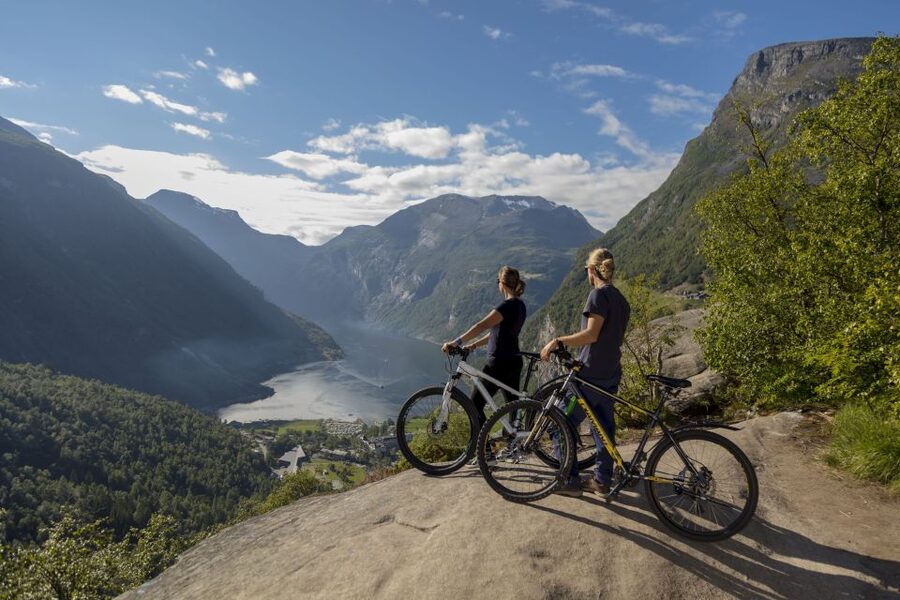
At $156 per person, this is not a cheap bike rental. The price includes the bike, helmet, gloves, visibility vest, and transportation from Geiranger to the elevated starting point. It also saves you from arranging your own way up to Djupvatnet, which is the part that makes the downhill route possible.
The value depends on what you want from a Geiranger outing. If you mainly want to reach the fjord viewpoints by road and take a few pictures, a standard sightseeing option may be simpler. If you like cycling and want an active way to connect the high mountain road with the fjord village, the included transfer and equipment make the price easier to justify.
You are also paying for flexibility. There is no guide setting a strict pace, and you can stop frequently for photographs. That freedom has real value if you enjoy making your own day.
On the other hand, you are not paying for a technical cycling experience, a dedicated bike trail, or detailed guiding. The route uses a public road, and busy traffic can reduce the feeling of freedom. I would see this as a scenic transport-assisted road ride, not as a premium mountain-bike adventure.
The flexible booking terms help reduce the risk. You can cancel up to 24 hours in advance for a full refund, and the reserve-now, pay-later option lets you hold a place without paying immediately.
Who should book this downhill ride?
I would recommend it to a confident cyclist who wants a memorable view of Geiranger without spending the day on a hard climb. It is a good match for people who enjoy stopping for pictures, prefer independent pacing, and do not need a guide beside them at every turn.
It also works well for active families with older children, provided every child is at least 12 and accompanied by an adult. The adult should be comfortable helping the child manage road traffic and changing conditions.
I would hesitate to recommend it to a first-time cyclist, anyone who dislikes riding near vehicles, or anyone expecting a quiet mountain trail. The route can be busy, and the absence of a cycle guide means you need to bring your own road awareness.
Cyclists who are happy in rain may still enjoy it, but poor weather raises the demands. If the forecast looks rough, ask yourself whether the views are worth handling a wet downhill road. The tour may be cancelled or altered if conditions are not suitable.
Practical details before you leave Cafe Ole
Arrive at the office at Geirangervegen 10 with your clothing and water ready. You will need to organize your own transport to the meeting point because hotel pickup and drop-off are not included.
Keep snacks accessible, but eat and drink only when stopped. Wear the visibility vest throughout the road section, and use the gloves supplied. The bike should be easy to operate, but you still need to be able to control it confidently.
Plan for a three-hour activity, with about two and a half hours spent cycling. Your exact start time depends on availability, so check the schedule before booking. The tour is offered in English, and the group is limited to eight participants.
If the Djupvatnet road is closed, the Eagle Bend viewpoint becomes the alternative starting point. That is not necessarily a problem, but it means the descent and timing can differ from the standard route. Confirm the starting point when you arrive.
Should you book the Geiranger downhill bike tour?
Book it if you want big fjord views with a manageable downhill ride, and you are comfortable sharing a public road with buses and camper vans. The high start at Djupvatnet, the stop at Flydalsjuvet, and the freedom to ride at your own pace make this a memorable active excursion.
Skip it if you want a dedicated mountain-bike trail, a guide riding beside you, or a completely quiet route. The best match is an independent, confident cyclist who sees the road traffic as a manageable inconvenience rather than a deal breaker.
For that person, the $156 price buys a useful transfer, the necessary bike gear, and access to a spectacular route without the uphill punishment. Just pack for cold weather, watch the road, and stop before you take the photograph.
FAQ
Where does the Geiranger downhill bike tour meet?
Meet at the local supplier’s office at Geirangervegen 10, directly before Cafe Ole in Geiranger. Hotel pickup and drop-off are not included.
How long does the activity last?
The full activity lasts about three hours. The cycling portion takes approximately two and a half hours.
Where does the bike ride start?
The standard starting point is Djupvatnet Lake, 1,030 meters above sea level. If the road to the lake is closed, the alternative starting point is the Eagle Bend viewpoint.
Is a guide included during the bike ride?
No. The tour includes an English-language safety briefing and equipment setup, but no guide accompanies you during the cycle.
What equipment is included?
The tour includes a bike, helmet, bicycle gloves, visibility vest, and transportation to the starting point.
What should I bring?
Bring warm clothing, a windbreaker, sportswear, water, and snacks. The tour depends on suitable weather conditions.
Can children join the tour?
Children under 12 cannot join. Participants must be at least 12 years old and accompanied by an adult. Unaccompanied minors are not allowed.
Just added around Geiranger
- Geiranger: Panorama Bus Tours 1,5/2hr (Highlights viewpoint)★ 4.5 · 24 reviews
- Hellesylt-Geiranger Sightseeing (one way ticket)★ 4.0 · 7 reviews
- From Geiranger: Dalsnibba & Eagle Road Private Tour & Picnic★ 5.0 · 4 reviews
- Geiranger: Rappelling tour with epic view★ 5.0 · 6 reviews
- Geiranger: Kayak Tour with Waterfall Views★ 5.0 · 19 reviews
- Geiranger to Ålesund Bus Tour (one way)★ 4.3 · 4 reviews
- Geiranger: Beginner-Friendly Fjord Kayaking★ 4.9 · 16 reviews
- From Hellesylt: Geiranger Highlights Tour with Photo Stops★ 3.3 · 5 reviews
Geiranger Fjord Tours, compared.
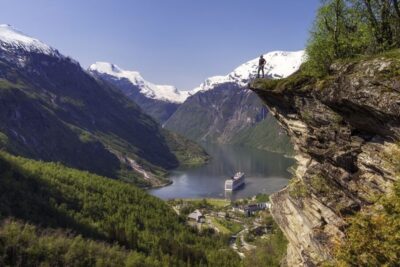
Geiranger: Dalsnibba, Flydalsjuvet, Eagle Bend & Fjords Tour
Read our review →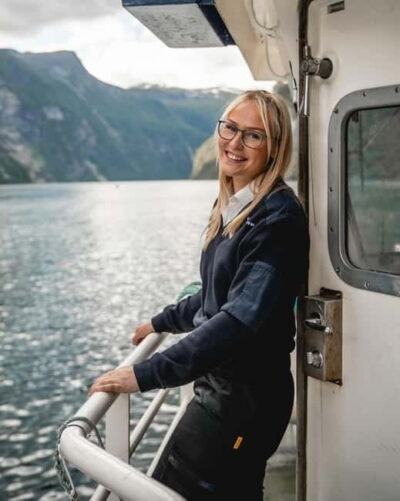
Geiranger: Fjord and Waterfalls Sightseeing Boat Trip
Read our review →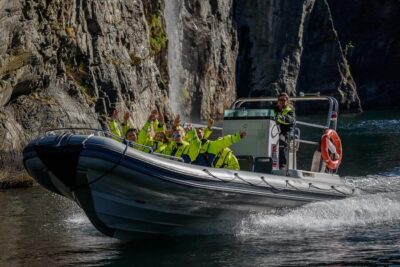
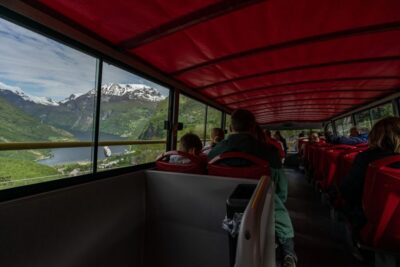
Geiranger: City Sightseeing Hop-On Hop-Off Bus Tour
Read our review →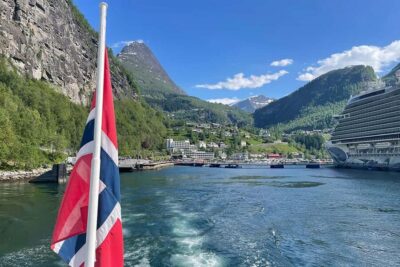
Geiranger Fjord Tour from Geiranger (with stop in Hellesylt)
Read our review →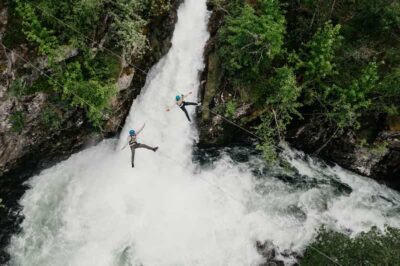
Geiranger: Bus Tour with Multilingual Audio Guide
Read our review →
Geiranger: Guided Kayak Tour in Geiranger Fjord
Read our review →Browse the lists this tour appears in